Yes, methylated B12 is very important for red blood cell health. Your body needs this vitamin to make healthy red blood cells that carry oxygen everywhere. Without enough methylated B12, your red blood cells can’t form right, which leads to feeling tired and weak.
In this guide, you’ll learn how methylated B12 helps your red blood cells stay healthy. We’ll cover what happens when you don’t get enough, how to spot the warning signs, and simple ways to keep your blood cells working great.
What Are Red Blood Cells and Why Do They Matter?
How Red Blood Cells Work in Your Body
Red blood cells are tiny workers in your blood. They pick up oxygen from your lungs and deliver it to every part of your body. Think of them like delivery trucks that never stop moving.
Your body makes about 2 million new red blood cells every single second. That’s a lot of work! Each red blood cell lives for about 4 months before it needs to be replaced.
The Job of Hemoglobin
Inside each red blood cell is hemoglobin. This is the part that actually holds onto oxygen. Hemoglobin is like a hand that grabs oxygen and won’t let go until it reaches the right spot.
When hemoglobin works well, your skin looks pink and healthy. You feel awake and ready to go. But when something goes wrong with your red blood cells, you start to feel tired and weak.
How Methylated B12 Helps Make Red Blood Cells
DNA Building and Cell Division
Your body needs methylated B12 to build DNA. DNA is like the instruction manual for making new cells. When your bone marrow makes red blood cells, it needs perfect DNA instructions.
Methylated B12 helps with DNA synthesis, which is super important for cells that divide quickly, especially red blood cells in your bone marrow. Without enough B12, your body can’t copy DNA fast enough.
What Happens Without Enough B12
When you don’t have enough methylated B12, your body makes weird red blood cells. These cells are too big and shaped wrong, called megaloblasts. They can’t leave the bone marrow easily or carry oxygen well.
This problem with DNA synthesis causes something called ineffective erythropoiesis, which means your body tries to make red blood cells but fails. Many of these bad cells die before they can even do their job.
The Methyl Group Magic
Methylated B12 has a special methyl group attached to it. This methyl group is like a tiny helper that makes chemical reactions happen faster.
B12 helps turn homocysteine into methionine, which then creates SAMe (S-adenosylmethionine). SAMe is a methyl donor that helps with DNA synthesis and red blood cell maturation. It’s a chain reaction that keeps everything running smoothly.
Understanding B12 Deficiency and Anemia
What Is Megaloblastic Anemia?
Megaloblastic anemia happens when your body doesn’t have enough healthy red blood cells because of low B12. The red blood cells that do form are too large and oval-shaped instead of round.
Without enough red blood cells, your tissues and organs don’t get enough oxygen, so your body can’t work as well as it should. This makes you feel exhausted all the time.
Common Symptoms of Low Red Blood Cell Count
Here are the main signs that your red blood cells need help:
- Feeling very tired even after sleeping
- Looking pale or having yellowish skin
- Getting out of breath easily
- Feeling dizzy or lightheaded
- Fast heartbeat
- Headaches that won’t go away
- Weak muscles
- Trouble thinking clearly
Who Gets B12 Deficiency?
Some people are more likely to have B12 problems:
People Over 60: At least 10% of people over 60 have B12 deficiency, and this affects red blood cell production.
Vegans and Vegetarians: B12 only comes from animal foods, so plant-based eaters need supplements.
People with Stomach Problems: If you can’t make intrinsic factor (a protein in your stomach), you can’t absorb B12 properly.
Those Taking Certain Medicines: Metformin for diabetes and heartburn medicines can block B12 absorption.
Why Methylated B12 Is Better for Blood Health
The Bioavailability Advantage
Methylated B12 (methylcobalamin) is already in the active form your body needs. Your body doesn’t need to convert it, which offers a huge advantage over other types of vitamin B12.
Regular B12 (cyanocobalamin) needs to be changed by your body before it can work. This takes energy and time. With methylated B12, your body can use it right away.
Better Absorption and Retention
Research shows that cyanocobalamin is excreted 3 times more in the urine than methylcobalamin, which may indicate that methylcobalamin is better retained in your body.
This means more of the B12 you take stays in your body where it’s needed. Less gets washed out as waste.
Direct Action on Blood Cells
Methylated B12 supports the production of red blood cells, which carry oxygen throughout the body and provide energy to the cells. It works directly with your bone marrow to make sure new red blood cells form correctly.
The methylated form doesn’t need any extra steps. It goes straight to work helping your bone marrow pump out healthy blood cells.
How to Know If You Need More B12
Blood Tests That Show Red Blood Cell Problems
Your doctor can run simple blood tests to check your red blood cells:
Complete Blood Count (CBC): This test shows if you have low hemoglobin and hematocrit, and if your red blood cells are too large (high MCV over 100).
B12 Level Test: This measures how much B12 is in your blood.
Methylmalonic Acid (MMA): MMA goes up when you don’t have enough B12. This is a very specific test.
Homocysteine Level: High homocysteine can mean low B12, but it can also mean you’re low in other vitamins.
Physical Signs to Watch For
Your doctor might see a red, beefy tongue, pale or yellowish skin, and a rapid pulse during an exam. These are classic signs of B12 deficiency affecting your red blood cells.
You might also notice you get sick more often. That’s because your immune system needs healthy red blood cells to work right.
When to See a Doctor
Don’t wait if you have these symptoms:
- Extreme tiredness that doesn’t get better with rest
- Shortness of breath during normal activities
- Heart pounding or racing
- Numbness or tingling in hands and feet
- Trouble walking or keeping your balance
- Memory problems or confusion
These could mean your B12 levels have dropped too low. Early treatment works better than waiting.
Getting Enough Methylated B12 for Healthy Blood
Food Sources of B12
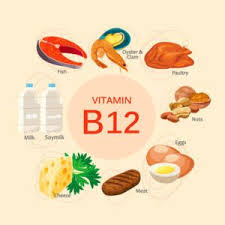
B12 comes from animal foods:
- Red meat (beef, lamb)
- Fish (salmon, tuna, trout)
- Shellfish (clams, oysters)
- Poultry (chicken, turkey)
- Eggs
- Milk, cheese, and yogurt
- Fortified cereals and plant milk
Remember, these foods contain regular B12, not the methylated form. Your body still needs to convert it.
Supplement Options
Methylated B12 supplements come in several forms:
Sublingual Tablets: Sublingual absorption of methylcobalamin has become very popular because it can be easily absorbed with better bioavailability. You put them under your tongue.
Capsules: Easy to swallow and work well if your digestion is good.
Liquid Drops: Good for people who have trouble swallowing pills.
Nasal Spray: Another option if you can’t take pills.
Injections: For serious B12 deficiency, your doctor may recommend B12 shots until your levels are healthy.
How Much Do You Need?
For daily stress relief, methylcobalamin should be taken at 500 mcg per day. This is a good maintenance dose for most people.
In acute cases of neuropathy, a dose of 1500 mcg per day can be safely taken. If you have anemia or low red blood cell count, your doctor might recommend higher doses at first.
The good news? Overdosing on B12 is extremely unlikely because your body will only absorb as much as it needs; any excess will simply be flushed out in your urine.
Special Considerations for Red Blood Cell Health
MTHFR Gene Mutations
A MTHFR mutation can seriously impact your body’s ability to use vitamin B12. About 30-40% of Americans have some form of this gene mutation.
If you have an MTHFR mutation, your body struggles to convert regular B12 into the methylated form. That’s why taking methylated B12 is so important for you.
Up to 30% of the population has a down-regulated MTRR SNP potentially impairing the conversion of B12 to methylcobalamin. These people especially need the methylated form.
Working with Folate
B12 and folate work together like best friends. Folate deficiency can lead to anemia (decreased red blood cell count) or high levels of homocysteine in the blood.
Vitamin B12 works closely with vitamin B9 (folate) to help make red blood cells which are required for carrying oxygen to all parts of your body. Taking them together often works better than taking just one.
The Homocysteine Connection
B12 works alongside folate and vitamin B6 to maintain normal concentrations of homocysteine. High homocysteine can damage your blood vessels and heart.
When B12 converts homocysteine to methionine, it protects your cardiovascular system. This keeps blood flowing well to all your organs.
Life Stages and Red Blood Cell Needs
Children and Teens
Growing kids need healthy red blood cells for development. Their bodies are making new tissue every day. B12 helps make sure their blood can deliver enough oxygen for growth.
Kids who don’t eat meat might need supplements. Talk to your pediatrician about the right dose.
Adults and Athletes
If you exercise a lot, your muscles need more oxygen. This means your red blood cells work extra hard. Getting enough methylated B12 can help with energy levels.
Adults dealing with stress or busy schedules also burn through B12 faster. Your body uses more when it’s under pressure.
Seniors and Aging
Vitamin B12 deficiency is more common in older people, affecting around 1 in 10 people aged 75 or over. As you age, your stomach makes less acid and intrinsic factor.
Older adults often need higher doses or a more absorbable form like methylated B12 to keep their red blood cells healthy.
Pregnancy and Breastfeeding
Pregnant women need extra B12 to support their baby’s development. The baby needs healthy red blood cells to grow properly.
Breastfeeding moms also need more B12 because they’re passing it to their baby through breast milk. Ask your doctor about the right amount for you.
Improving Red Blood Cell Health Naturally
Diet Tips for Better Blood
Eat iron-rich foods along with your B12. Erythroblasts require large amounts of iron for hemoglobin synthesis. Iron and B12 work together to make healthy red blood cells.
Good iron sources include:
- Red meat
- Spinach and kale
- Beans and lentils
- Fortified cereals
Vitamin C helps you absorb iron better. Have some orange juice or strawberries with your meals.
Lifestyle Changes That Help
Stay Hydrated: Your blood is mostly water. Drink plenty of water to help your red blood cells move easily through your body.
Limit Alcohol: Drinking too much alcohol can make it harder for your body to absorb vitamin B12. For men, that’s more than two drinks a day. For women, it’s more than one.
Manage Stress: Chronic stress uses up B vitamins faster. Find ways to relax like walking, deep breathing, or talking with friends.
Get Enough Sleep: Your body repairs and makes new cells while you sleep. Aim for 7-9 hours each night.
Exercise for Better Blood Flow
Moving your body helps blood circulation. This means your red blood cells can deliver oxygen more efficiently. Try these activities:
- Walking for 30 minutes most days
- Swimming or water aerobics
- Biking or cycling
- Dancing
- Yoga or stretching
You don’t need to exercise hard. Just moving regularly helps your blood and overall health.
Comparing Different Forms of B12
Methylcobalamin vs Cyanocobalamin
| Feature | Methylcobalamin | Cyanocobalamin |
| Form | Natural, active form | Synthetic form |
| Conversion Needed | No | Yes |
| Brain Access | Crosses blood-brain barrier easily | Needs conversion first |
| Retention in Body | Better retained | More excreted in urine |
| Best For | MTHFR mutations, nerve health | General supplementation |
Both methylcobalamin and cyanocobalamin can treat vitamin B12 deficiency. But methylcobalamin has some advantages for red blood cell health.
Adenosylcobalamin
This is another active form of B12. Some experts recommend methylcobalamin should be combined with adenosylcobalamin for best results.
Adenosylcobalamin works in your mitochondria (the energy factories of cells). Together with methylcobalamin, they cover all of B12’s jobs in your body.
Hydroxocobalamin
This form is often used in injections. Your body can convert it to both methylcobalamin and adenosylcobalamin as needed. It’s like a Swiss Army knife of B12 forms.
Monitoring Your Progress
What to Expect After Starting B12
With proper treatment, symptoms of vitamin B12 deficiency begin to improve within a few days. You might notice more energy first.
A response usually is seen within 48 to 72 hours, with brisk production of new red blood cells after starting treatment. Your bone marrow kicks into gear quickly.
It might take a few months for your red blood cell count to get back to normal. Be patient and stick with your treatment.
Follow-Up Testing
Your doctor will want to recheck your blood after a few months. This shows if the treatment is working.
Tests might include:
- Another CBC to check red blood cell numbers
- Hemoglobin and hematocrit levels
- MCV to see if cell size is normal now
- B12 blood level
Keep all your appointments. This helps your doctor adjust your dose if needed.
Long-Term Maintenance
Some people need B12 for life. People who cannot absorb B12 need regular injections; once diagnosed, regular injections of vitamin B12 will prevent symptoms from returning.
Even if you start feeling better, don’t stop taking B12 without talking to your doctor. Your body might still need the support.
Common Mistakes to Avoid
Taking the Wrong Form
Not all B12 supplements are the same. If you have MTHFR mutations or absorption problems, regular B12 won’t work as well. Make sure you’re taking methylated B12.
Not Taking It Regularly
B12 works best when you take it every day. Skipping doses means your red blood cells don’t get steady support. Set a reminder on your phone if you forget.
Ignoring Other Nutrients
B12 doesn’t work alone. You also need:
- Folate (vitamin B9)
- Iron for hemoglobin
- Vitamin B6 for red blood cell metabolism
- Copper for iron absorption
Eat a balanced diet or take a good multivitamin along with your B12.
Waiting Too Long to Get Help
Some complications from B12 deficiency can be permanent if you wait too long. Don’t ignore symptoms. See your doctor if you feel tired all the time or have other warning signs.
Frequently Asked Questions
Can I Take Too Much Methylated B12?
Overdosing on B12 is extremely unlikely because your body will only absorb as much as it needs; any excess will simply be flushed out in your urine. B12 is very safe even at high doses.
How Long Until I Feel Better?
Most people notice more energy within a few days to weeks. Your red blood cell count takes 1-3 months to fully recover. Nerve symptoms might take longer to heal.
Do I Need a Prescription?
Methylated B12 supplements are available over the counter. You don’t need a prescription for most forms. But talk to your doctor about the right dose for you, especially if you have anemia.
Can Children Take Methylated B12?
Yes, kids can safely take methylated B12. The dose depends on their age and weight. Always check with your pediatrician first.
Will It Interfere with My Medications?
Medicines considered to reduce the absorption of vitamin B12 include metformin, proton pump inhibitors, and certain antibiotics. If you take these, you might need more B12.
Tell your doctor about all supplements you take. Most medications don’t cause problems with B12.
The Science Behind B12 and Blood Health
How Blood Cells Are Made
Your bone marrow is like a factory. It makes about 2 million red blood cells every second to replace old ones that wear out.
Erythroblasts require folate and vitamin B12 for proliferation during their differentiation. These are baby red blood cells that need to grow and mature.
The DNA Synthesis Connection
B12 plays an important role in DNA synthesis, so reduced availability of THF (the active form of folate) results in ineffective production of cells with rapid turnover, particularly red blood cells.
Without good DNA, cells can’t divide properly. Your bone marrow tries to make blood cells but keeps failing. This is why you feel so tired with B12 deficiency.
Oxygen Transport Basics
Hemoglobin carries oxygen from the lungs to all body tissues, exchanging it for carbon dioxide to be expelled through respiration. This happens billions of times every day in your body.
Healthy red blood cells with good hemoglobin make this process smooth and easy. You breathe better and feel more energetic.
Taking Action for Better Blood Health
Start with Testing
Before you begin any supplement, get tested. Know your baseline B12 level and red blood cell count. This helps you and your doctor track progress.
Many people are surprised to find they’re deficient. Testing takes the guesswork out of treatment.
Choose Quality Supplements
Look for these features in a methylated B12 supplement:
- Contains methylcobalamin (not cyanocobalamin)
- Third-party tested for purity
- Free from unnecessary fillers
- Made in a certified facility
Read labels carefully. The form of B12 matters for your red blood cell health.
Build a Support Team
Work with healthcare providers who understand B12 and blood health:
- Your primary doctor
- A nutritionist or dietitian
- A hematologist if you have anemia
Don’t try to treat serious B12 deficiency on your own. Get professional guidance.
Final Thoughts
Methylated B12 plays a huge role in keeping your red blood cells healthy and strong. These tiny cells carry oxygen to every part of your body, giving you the energy you need to live life fully.
Without adequate B12 levels, red blood cell formation is impaired, leading to larger, irregularly shaped cells that struggle to carry oxygen efficiently. This makes you feel exhausted and can lead to serious health problems.
The good news is that fixing B12 deficiency is usually simple. With the right form of B12, proper dosing, and consistent use, your body can rebuild healthy red blood cells. Most people feel much better within weeks of starting treatment.
If you’re experiencing fatigue, weakness, or other symptoms of low red blood cell count, talk to your doctor about testing your B12 levels. Early treatment prevents complications and helps you feel your best.
Remember, healthy blood means a healthy you. Take care of your red blood cells by getting enough methylated B12, eating nutritious foods, and living a balanced lifestyle. Your body will thank you with more energy, better focus, and overall wellness.
Learn more about methylated B12 and start your journey to better health today.