Yes, vegans can get B12 deficiency, and it happens quite often. Studies show that 52% of vegans have low B12 levels, compared to just 1% of people who eat meat. The good news? You can avoid these problems if you know what to look for and take the right steps.
This guide will help you spot the warning signs early. You’ll learn which symptoms matter most, why vegans are at higher risk, and what you can do to protect your health. Let’s dive in.
Why Do Vegans Get B12 Deficiency?
Plants Don’t Make B12
Here’s the simple truth: B12 is not made by plants. This vitamin only comes from bacteria. Animals get it by eating foods with these bacteria or by making it in their gut. When you eat meat, eggs, or dairy, you get the B12 that animals stored.
But plants? They don’t have B12. Even if you eat tons of vegetables, fruits, and grains, you won’t get this vitamin unless those foods are specially fortified.
Your Body Stores B12, But Not Forever
Your liver can hold onto B12 for years. Most adults take five years or more to show deficiency symptoms after they stop getting B12. This sounds good, right? Not really.
The problem is you might feel fine for years while your stores slowly run out. By the time symptoms show up, damage may have already started. This is why many vegans don’t realize they have a problem until it’s serious.
Who’s at the Biggest Risk?
Some vegans face higher danger than others:
- Long-term vegans who never take supplements or eat fortified foods
- New vegans who switched from vegetarian diets (already low in B12)
- Pregnant or breastfeeding moms who need more B12 for their babies
- Older adults whose bodies don’t absorb B12 as well
- Raw food vegans who avoid fortified products
Women of childbearing age, pregnant women, and older adults are most at risk. If you’re in one of these groups, pay extra attention.
Early Warning Signs of B12 Deficiency
Feeling Tired All the Time
One of the first signs is fatigue that won’t go away. You sleep enough, but you still feel drained. This happens because B12 is crucial for making red blood cells, which carry oxygen throughout your body.
When you don’t have enough B12, your body can’t make enough healthy red blood cells. Less oxygen reaches your muscles and brain. Result? You feel tired and weak, even after a good night’s rest.
Brain Fog and Memory Problems
Do you forget things more often? Have trouble focusing? B12 deficiency can cause cognitive changes like memory problems, confusion, and trouble thinking clearly.
Your brain needs B12 to work properly. Without enough, you might:
- Forget appointments or names
- Struggle to concentrate on tasks
- Feel confused or “spaced out”
- Take longer to solve simple problems
Many people think this is just stress or getting older. But it could be low B12.
Mood Changes and Depression
B12 helps make chemicals in your brain that control your mood. Depression is one of the cognitive changes that can happen with B12 deficiency.
You might feel:
- More sad or down than usual
- Less interested in things you used to enjoy
- More anxious or worried
- Irritable or short-tempered
These mood changes happen slowly. You might not connect them to your diet at first.
Physical Symptoms That Need Attention
Tingling in Hands and Feet
This is a big warning sign. Typical deficiency symptoms include tingling, numbness, and reduced sensitivity to pain or pressure. People describe it as:
- Pins and needles in your fingers or toes
- A prickly feeling that comes and goes
- Numbness that spreads up your arms or legs
- Feeling like you’re wearing gloves when you’re not
B12 helps maintain the protective sheath around your nerves. When levels drop, this protection breaks down. Nerve signals get mixed up, causing these strange feelings.
Balance and Walking Problems
As nerve damage gets worse, you might have trouble walking straight. Symptoms include abnormal gait and problems with balance.
You might:
- Feel unsteady on your feet
- Stumble more often
- Have trouble walking up or down stairs
- Feel dizzy when you stand up
These symptoms show the deficiency is getting serious. Don’t ignore them.
Vision Problems
B12 deficiency can hurt your eyes. Blurred vision is a typical deficiency symptom. In severe cases, you could develop optic nerve damage.
Watch for:
- Blurry or fuzzy vision
- Trouble seeing in low light
- Double vision
- Changes in color perception
Vision problems mean you need help right away. See a doctor if your eyesight changes.
Sore or Swollen Tongue
Look at your tongue. Does it look different? A sore tongue is a typical symptom of B12 deficiency.
Your tongue might:
- Look red and smooth (less bumpy)
- Feel sore or painful
- Look swollen or inflamed
- Make eating uncomfortable
This happens because B12 helps cells in your mouth grow and repair. Without it, your tongue changes.
How Fast Do Symptoms Show Up?
The Timeline Varies
It’s currently unknown exactly how long it takes for B12 deficiency to occur in people adopting a vegan diet. But we know a few things:
Most adults have enough stored B12 to last several years. But some people show symptoms in just one year. Why the difference? It depends on:
- How much B12 you had stored before going vegan
- How well your body absorbs nutrients
- Your age and health status
- Whether you eat any fortified foods
Symptoms Start Subtle
At first, symptoms may be subtle and often get blamed on stress or other lifestyle events. You might think:
- “I’m just tired from work.”
- “Everyone forgets things sometimes.”
- “My feet tingle because I sat funny.”
These excuses are easy to make. But if symptoms keep happening or get worse, take them seriously.
Children Show Symptoms Faster
Kids and babies are different. Infants typically show more rapid onset of symptoms than adults. A baby with low B12 might:
- Stop growing normally
- Lose their appetite
- Become very tired or weak
- Have developmental delays
If not promptly corrected, this can progress to coma or death. This is why pregnant and breastfeeding vegans must take B12 seriously.
Serious Complications You Want to Avoid
Nerve Damage That Doesn’t Heal
This is the scariest part. There are cases of permanent damage in adults from B12 deficiency. If you wait too long, nerve damage might not fully heal, even after you start taking B12.
The damage can cause:
- Permanent numbness or tingling
- Ongoing balance problems
- Muscle weakness that doesn’t go away
- Long-term memory issues
There’s an 8-12 week window after symptoms appear to get treatment and return to normal function. After that, symptoms can become permanent.
Anemia
Megaloblastic anemia is one sign of severe B12 deficiency. This means your red blood cells are too big and don’t work right. Symptoms include:
- Extreme tiredness
- Shortness of breath
- Fast heartbeat
- Pale or yellowish skin
- Chest pain
Without enough healthy red blood cells, your whole body suffers.
Heart and Blood Vessel Problems
Low B12 raises a substance called homocysteine in your blood. Low B12 levels can contribute to cardiovascular disease. High homocysteine is linked to:
- Higher stroke risk
- Heart disease
- Blood clots
Taking B12 helps keep homocysteine levels normal.
Mental Health Issues
In severe cases, B12 deficiency affects your mind. Symptoms can include confusion, hallucinations, and personality changes. Some people develop:
- Paranoia or delusions
- Severe depression
- Psychosis
- Dementia-like symptoms
These mental changes can be scary. But they often improve with B12 treatment if caught early.
How Common Is B12 Deficiency in Vegans?
The Numbers Are Eye-Opening
Deficiency rates in vegans range from 50-70% in countries like Austria, Germany, Italy, Australia, India, and China. That’s more than half of all vegans!
Let’s compare different groups:
| Group | B12 Deficiency Rate |
| Vegans | 52% |
| Vegetarians | 7-14% |
| Meat-eaters | 1-6% |
The numbers don’t lie. Vegans face much higher risk.
Age Makes a Difference
About 6% of people under 60 have B12 deficiency, but 20% of those over 60 do. As you age, your stomach makes less acid, which you need to absorb B12.
Older vegans face double trouble: the vegan diet gives no B12, and their bodies absorb it less well.
Many Don’t Know They’re Deficient
Here’s something scary: Many people have low B12 levels without any symptoms, or they think their symptoms are normal. They feel tired all the time and just accept it.
This “hidden deficiency” is dangerous. Damage can happen before you notice problems. This is why regular testing matters.
Special Risks for Certain Groups
Pregnant and Breastfeeding Moms
B12 deficiency rates among pregnant women reach 62%. This is huge. When a pregnant woman doesn’t get enough B12:
- Her baby might not develop properly
- The baby could have brain or spine problems
- The baby might be born too early or too small
Lack of B12 can increase the risk of neural tube defects. These are serious birth problems where the brain or spine doesn’t form correctly.
If you’re pregnant or planning to get pregnant, taking B12 isn’t optional. It’s essential.
Babies and Young Children
B12 deficiency rates among infants reach 45%, and among children and adolescents range from 0 to 33.3%. Babies get B12 from breast milk. If mom doesn’t have enough, neither does baby.
Low B12 in babies and kids can cause:
- Slow growth
- Delayed development
- Brain damage
- Permanent learning problems
Infants are more vulnerable to permanent damage than adults. Some kids never fully recover.
People Who’ve Been Vegan for Years
The longer you’ve been vegan without supplementing, the higher your risk. Higher rates of deficiency are reported among individuals who had adhered to a vegetarian diet since birth compared with those who adopted it later.
If you grew up vegan or have been vegan for many years, don’t assume you’re fine. Get tested.
How to Know If You’re Deficient
Blood Tests Are Key
The only sure way to know your B12 status is through testing. Your doctor can check several markers:
Serum B12 Test This measures the total B12 in your blood. But it’s not perfect. A blood B12 level measurement is a very unreliable test for vegans. Some plant foods have “fake” B12 that shows up on tests but doesn’t work in your body.
MMA Test (Methylmalonic Acid) This is better. MMA testing is the most specific test for B12 status. If MMA is normal, your body has enough working B12. Studies show that holo-TC is the first biomarker to drop on an unsupplemented vegan diet.
Homocysteine Test Homocysteine testing is more reliable, with levels less than 10 micromol/litre being desirable. High homocysteine suggests low B12.
Ask your doctor for a complete B12 panel, not just the basic serum test.
When to Get Tested
You should get tested:
- Before going vegan (to know your starting levels)
- Six months after going vegan
- Once a year after that
- If you have any symptoms
- Before and during pregnancy
Don’t wait for symptoms. By then, damage may have started.
What Your Results Mean
Here’s a simple guide:
- B12 above 300 pg/mL: Probably fine
- B12 between 200-300 pg/mL: Low end, consider supplementing more
- B12 below 200 pg/mL: Deficient, need treatment now
But remember, serum B12 alone doesn’t tell the whole story. Check MMA and homocysteine too.
How to Prevent B12 Deficiency as a Vegan
Supplements Are the Best Option
Let’s be real: Prevention of B12 deficiency through supplementation offers an effective, economical, and sustainable way to avoid adverse health consequences.
You have several choices:
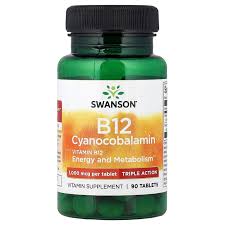
Daily Supplements Take a daily supplement containing 4-7 micrograms of B12 with food. This gives your body a steady supply.
Weekly High-Dose Some people prefer taking 1,000-2,000 micrograms once or twice a week. Your body absorbs what it needs.
Sublingual Tablets These dissolve under your tongue for better absorption. Methylated B12 products use this method. Methylcobalamin is the active form that your body can use right away.
Choose Quality Supplements
Look for GMP (Good Manufacturing Practice) labels backed by the United Nations. These supplements meet high standards for safety and effectiveness.
Not all B12 supplements work the same. Cheap supplements might not be produced correctly. Spending a bit more for quality pays off.
Methylated B12 offers superior absorption, especially if you have trouble absorbing regular B12. Learn more about how to take methylated B12 for maximum absorption.
Fortified Foods Help Too
You can also get B12 from fortified foods:
- Plant-based milks (soy, almond, oat)
- Breakfast cereals
- Nutritional yeast (check the label)
- Meat substitutes
- Some protein bars
But don’t rely only on fortified foods. They often don’t provide enough B12. Use them along with supplements, not instead of them.
Special Considerations for Methylated B12
If you have an MTHFR gene mutation, regular B12 might not work well for you. Your body has trouble converting it to the active form.
Methylated B12 is already in active form, so your body can use it immediately. This is why methylated B12 is better than regular B12 for some people.
Discover why vegans need methylated B12 and check out the complete dosage guide to find the right amount for you.
What to Do If You Have Symptoms
See a Doctor Right Away
If you notice any symptoms, especially tingling, numbness, or vision changes, see your doctor soon. Don’t wait.
Tell them:
- You eat a vegan diet
- What symptoms you’re having
- How long they’ve lasted
- Whether you take B12 supplements
Ask for complete B12 testing, including MMA and homocysteine.
Treatment Usually Works
The good news? Symptoms are usually reversible when you take B12. Most people feel better within weeks or months.
Your doctor might recommend:
High-Dose Oral B12 Many people respond well to oral supplements, even high doses. You might take 1,000-2,000 micrograms daily.
B12 Injections For severe deficiency or absorption problems, shots work faster. You might get shots daily or weekly at first, then less often.
Ongoing Maintenance Once your levels recover, you’ll need to keep taking B12 forever. Your vegan diet won’t provide it naturally.
Recovery Takes Time
Don’t expect instant results. Symptoms develop gradually over several months to a year, and recovery takes time too.
You might notice:
- Energy returning in a few weeks
- Brain fog lifting over 1-2 months
- Tingling and numbness fading over 2-6 months
- Full recovery in 6-12 months
Be patient. Keep taking your B12 even after you feel better.
Common Myths About Vegan B12 Sources
“I Get B12 from Unwashed Vegetables”
Some people think soil bacteria on unwashed produce provides B12. Not true. Unfortified plant-based foods are not a reliable supply of B12.
Even if veggies have a tiny bit from soil bacteria, it’s not enough. Plus, washing food is important for safety. Don’t rely on dirty produce for B12.
“Seaweed and Algae Have B12”
Most don’t. Algae and some other plant foods contain B12-analogues (false B12) that can interfere with B12 metabolism.
These fake forms of B12:
- Show up on blood tests
- But don’t work in your body
- Might actually block real B12
Don’t count on seaweed or algae for B12.
“Fermented Foods Provide Enough B12”
Tempeh, sauerkraut, and other fermented foods don’t have reliable amounts of B12. Some studies find tiny amounts, but it varies wildly and isn’t dependable.
Don’t risk your health on maybe-foods. Stick with proven sources: supplements and fortified foods.
“I Feel Fine, So I Must Be Okay”
This is the most dangerous myth. Symptoms may be subtle at first and often get blamed on other things. By the time you feel bad, deficiency is already happening.
Plus, some damage (like elevated homocysteine) happens without symptoms. You could be hurting your heart and brain without knowing it.
Living Healthy as a Vegan
B12 Is Just One Piece
A well-planned vegan diet can be very healthy. You just need to pay attention to a few key nutrients:
- B12 (supplements required)
- Vitamin D (sunlight or supplements)
- Iron (eat beans, leafy greens, fortified grains)
- Calcium (fortified plant milks, tofu, leafy greens)
- Omega-3s (flaxseeds, chia seeds, walnuts, algae oil)
- Protein (legumes, nuts, seeds, grains)
Understanding what foods contain methylated B12 helps you make better choices. Learn more about being a healthy vegan with B12.
Monitor Your Health
Stay on top of your health by:
- Getting annual blood tests
- Taking B12 daily (don’t skip)
- Eating varied, whole foods
- Seeing your doctor regularly
- Paying attention to how you feel
If you experience fatigue, tingling in hands and feet, or brain fog, take it seriously.
Share What You Know
Help other vegans stay healthy. When someone goes vegan:
- Tell them about B12
- Share this information
- Encourage them to supplement
- Don’t shame them for taking supplements
Every case of B12 deficiency in a vegan is a tragedy and brings veganism into disrepute. We all have a role to play in spreading accurate information.
Final Thoughts
B12 deficiency in vegans is real and common. 52% of vegans have deficient B12 levels, but it doesn’t have to be this way. With the right knowledge and simple steps, you can thrive on a vegan diet.
The key points to remember:
- B12 deficiency causes fatigue, nerve damage, brain fog, and serious health problems
- Symptoms often start subtle but can become permanent if ignored
- Testing is the only way to know your B12 status for sure
- Taking B12 supplements is easy, affordable, and essential
- Pregnant women and long-term vegans face the highest risk
Don’t let B12 deficiency hold you back from enjoying your vegan lifestyle. Taking a simple daily supplement protects your nerves, brain, heart, and energy levels. It’s one of the easiest things you can do for your health.
Ready to take control of your B12 levels? Explore our methylated B12 products designed specifically for optimal absorption. Check out the benefits of methylated B12 and find the best time to take your supplement.
Your health matters. Don’t wait until symptoms appear. Start protecting yourself today with a quality B12 supplement and regular testing. Your future self will thank you.
For more information about B12 and your health, visit our FAQ page or contact us with any questions.