Vitamin D and B12 are not directly connected, but low B12 levels can make it harder for your body to absorb and use vitamin D properly. This means if you’re short on B12, you might not get the full benefit from the vitamin D you’re taking—even if you spend time in the sun or take supplements.
This article explains how these two important vitamins work together and what you can do to keep both of them at healthy levels.
The Connection Between Methylated B12 and Vitamin D
How Your Body Uses Both Vitamins
Vitamin D and B12 travel different paths through your body, but they meet at an important place: your intestines. Your intestines are like a gateway where nutrients enter your bloodstream. When your digestive system is healthy and working well, both vitamins can pass through easily. But when one is low, it can affect how well you absorb the other.
Studies show that vitamin D deficiency may reduce the absorption of B12 through intestinal receptors. Think of it this way: your intestines have tiny doors that let nutrients in. Vitamin D helps open and control these doors. Without enough vitamin D, those doors don’t work as well, and B12 gets stuck outside.
Gene Expression and Intestinal Health
Your genes control how well your intestines absorb nutrients. DNA methylation may influence vitamin D metabolism and gene expression related to vitamin D absorption. Methylated B12 provides the methyl groups your body needs to activate these genes properly.
When your body has plenty of methylated B12, it can regulate these genetic switches more effectively. This keeps your intestinal lining healthy and improves how well it absorbs all nutrients—including vitamin D.
The Methylation Cycle Connection
Methylation is like an on-and-off switch inside your cells. It happens thousands of times per second and controls many body functions, including how your intestines work. B vitamins like B12 and folate are essential for the methylation process and serve as substrates in one-carbon metabolism, which is necessary for generating S-adenosylmethionine (SAM), the primary methyl donor.
When you take methylated B12—the active form already ready to use—your body doesn’t waste energy converting it. Your cells can use it right away to power the methylation cycle. This supports better nutrient absorption overall.
How Low B12 Levels Affect Vitamin D Absorption
Calcium and the Missing Link
Here’s something many people don’t know: B12 and vitamin D work together through calcium. Vitamin D deficiency may affect B12 absorption because vitamin B12 absorption in vitamin D deficiency may be adversely affected at multiple stages, including calcium-dependent processes in the intestinal absorption.
Your body uses calcium to help B12 travel through your intestinal lining. Without enough calcium (which vitamin D controls), B12 can’t get through properly. In the same way, without B12, your methylation cycle can’t work well, and your body can’t regulate calcium absorption properly. It’s like two gears that must turn together.
Research on Combined Deficiencies
Scientists have noticed that people with low B12 are often low in vitamin D too. Studies show a significant relationship between vitamin D deficiency and vitamin B12 deficiency, particularly in school-age children. This is not a coincidence—it suggests their absorption depends on each other.
Research indicates that plasma 25-hydroxyvitamin D is positively associated with folate and B12 levels in adolescents, meaning when one goes up, the other tends to rise as well.
Why Your Digestive System Matters
Your stomach acid is crucial for releasing B12 from food. Vitamin D supports the health of your stomach lining and helps regulate stomach acid. When vitamin D is low, your stomach doesn’t make enough acid, and B12 gets trapped in your food instead of being released and absorbed.
People with low stomach acid—which includes many people over 50, those on acid-blocking medicines, and people with digestive diseases—have the hardest time absorbing both B12 and vitamin D.
Why Methylated B12 Works Better Than Regular B12
The Activation Difference
Regular B12 (cyanocobalamin) is like a locked box. Your body has to spend time and energy unlocking it and converting it into an active form. Methylated B12 (methylcobalamin) is already unlocked and active. Your body can use it right away without any conversion steps needed.
This matters for vitamin D absorption because when your body doesn’t have to work so hard converting B12, it has more energy available for supporting your digestive system and nutrient absorption overall.
Better Retention in Your Body
Methylated forms of B12 like methylcobalamin have been shown to improve B12 levels more effectively than synthetic cyanocobalamin, and the body retains more of it in tissues. Regular B12 washes out in your urine—you only keep about one-third of what you take. Methylated B12 sticks around longer.
This means methylated B12 has more time to support your methylation cycle and keep your intestines healthy for absorbing vitamin D.
Supporting the Methylation Process
Methylated B12 directly feeds the methylation cycle, which controls many aspects of your digestive health. It helps your body:
- Keep your intestinal lining strong
- Control inflammation in your gut
- Regulate stomach acid
- Support the proteins that help nutrients pass through your intestinal walls
When your methylation cycle runs well, vitamin D absorption improves naturally.
Who Needs Both Methylated B12 and Vitamin D Support
People Over 50
As you age, your body makes less stomach acid. You also absorb nutrients less efficiently overall. By age 65, as many as 4 in 10 adults may have gastric issues that hinder B12 absorption.
Older adults who are low in both B12 and vitamin D often notice more fatigue, weaker bones, and brain fog. Taking methylated B12 can help improve vitamin D absorption naturally.
People With MTHFR Gene Mutations
About 30% of people have a genetic change called an MTHFR mutation, which can affect the body’s ability to convert B12 and folate by around 20-70%. For these people, regular B12 doesn’t work as well because their body struggles to convert it to active forms.
Methylated B12 is perfect for people with MTHFR mutations because it skips the conversion step their body finds difficult.
People With Digestive Problems
If you have celiac disease, Crohn’s disease, or a history of stomach surgery, you have trouble absorbing both B12 and vitamin D. These conditions damage the intestines where both vitamins get absorbed.
Methylated B12 in sublingual form (under the tongue) goes straight into your bloodstream without depending on your digestive system. This means you don’t have to rely on damaged intestines to get this crucial nutrient.
Vegans and Vegetarians
B12 comes almost entirely from animal foods. Vegans who eat no animal products are at high risk for B12 deficiency. Studies of elderly vegetarians found that 53.8% had low B12 levels.
When vegans don’t get enough B12, their methylation cycle slows down, which reduces their vitamin D absorption. Taking methylated B12 can help fill this gap and support vitamin D levels.
How to Optimize Both Vitamins
Taking Methylated B12 Correctly
The form matters. Sublingual tablets dissolve under your tongue and go straight into your blood. Lozenges work the same way. Swallowed capsules go through your digestive system, which works fine if your digestion is healthy, but sublingual forms are better for people with absorption problems.
Take methylated B12 in the morning for best results. This gives your body all day to use it for energy production and supporting your digestive health.
Supporting Vitamin D Absorption
To absorb vitamin D well, eat it with fat. Vitamin D is fat-soluble, meaning your body needs dietary fat to absorb it. Eat your vitamin D supplement with meals that contain healthy fats like olive oil, nuts, or fatty fish.
Get sun exposure regularly. As little as 10 to 15 minutes in the direct sun a few days a week can give your body most of the vitamin D it needs. Your skin produces vitamin D from sunlight naturally.
Food Sources and Supplementation
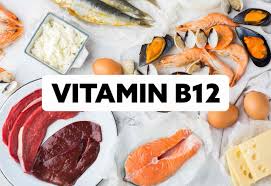
For B12, eat animal products like beef liver, clams, salmon, eggs, and milk. For vitamin D, eat fatty fish, egg yolks, and fortified dairy or plant-based milk.
If you need supplements, choose methylated B12 over regular forms. For vitamin D, aim for 1,000-2,000 IU daily from food and supplements combined, though ask your doctor about your individual needs.
Managing Your Digestive Health
Your digestive health controls how well you absorb both vitamins. Support your digestion by:
- Drinking plenty of water
- Eating slowly and chewing food well
- Reducing stress through relaxation techniques
- Avoiding excessive antacids and acid-blocking medicines when possible
- Treating digestive problems promptly with a healthcare provider
When your digestive system is healthy, both B12 and vitamin D absorption improves automatically.
The Science Behind Why They Work Together
How Methylation Affects Gene Expression
Your genes control which proteins your intestines make. These proteins act as doorways for nutrients to pass through. DNA methylation patterns affect gene expression related to lipid metabolism and nutrient absorption, and factors like diet and lifestyle affect methylation.
Methylated B12 provides the chemical groups (methyl groups) needed to turn these genetic switches on and off. When methylation works well, your intestines make more of the right proteins to absorb both B12 and vitamin D.
The Role of Homocysteine
Homocysteine is an amino acid that builds up when your methylation cycle isn’t working well. High homocysteine damages your blood vessels and intestinal lining, making it harder to absorb nutrients.
Methylated B12 helps convert homocysteine into methionine, a helpful amino acid. This keeps homocysteine levels down and protects your intestinal lining.
Vitamin D Receptor Function
Your cells have tiny locks called vitamin D receptors. Vitamin D fits into these locks and turns on genes related to calcium absorption and immune function. CYP2R1 and VDR methylation have been found to be independent predictors of plasma 25-hydroxyvitamin D levels.
Methylated B12 helps maintain proper methylation of genes controlling vitamin D receptors. This means your body can use vitamin D more effectively once you absorb it.
Signs You Might Be Low in Both Vitamins
When B12 and vitamin D are both low, your symptoms can be severe because these vitamins affect so many body systems. Watch for:
- Extreme fatigue that doesn’t improve with rest
- Brain fog and trouble concentrating
- Muscle and bone pain
- Weakness or numbness in hands and feet
- Mood changes or depression
- Pale or yellowish skin
- Easy bruising or slow healing
If you have several of these symptoms, ask your doctor to test both your B12 and vitamin D levels. Blood tests can show exactly where you stand.
Final Thoughts
Vitamin D and methylated B12 support each other through a complex chain of body processes. While they don’t directly interact, low B12 can reduce your vitamin D absorption by affecting your digestive health and methylation cycle. This means taking methylated B12—the active form your body can use right away—helps support better vitamin D absorption overall.
If you’re over 50, have digestive problems, follow a plant-based diet, or have MTHFR gene mutations, paying attention to both nutrients is especially important. Focus on keeping your digestive system healthy, eat B12-rich foods when you can, and consider methylated B12 supplements if needed.
Getting enough methylated B12 and vitamin D together creates a foundation for good energy, strong bones, healthy nerves, and better overall wellness. Start today by checking your levels with your doctor, then take the right steps to keep both nutrients where they should be.
Ready to support your B12 and vitamin D levels? Our doctor-approved methylated B12 supplements combine methylcobalamin with methylfolate for complete support. Visit our FAQ page to learn more about which product is right for you, or contact us for personalized guidance.