Yes, methylated B12 can help improve your mood. This special form of vitamin B12 plays a big role in making brain chemicals that control how you feel. When your body has enough methylated B12, it can make more serotonin and dopamine—two chemicals that help you feel happy and calm.
In this guide, you’ll learn how methylated B12 works to lift your mood, who needs it most, and how to use it safely. We’ll cover the science behind it, the best ways to take it, and what you can expect when you start using it.
What Is Methylated B12?
Methylated B12 is also called methylcobalamin. It’s the active form of vitamin B12 that your body can use right away.
Most B12 supplements contain cyanocobalamin. This is a man-made form that your body has to change before it can use it. But methylated B12 is ready to work as soon as you take it.
Think of it like this: cyanocobalamin is like a key that needs to be cut before it fits the lock. Methylated B12 is already the right shape—it fits right away.
Why the “Methylated” Part Matters
The word “methylated” means this form of B12 has a special part called a methyl group attached to it. This methyl group is like a tiny building block your body needs to make important things, including:
- Brain chemicals that control mood
- Energy for your cells
- Healthy nerve coverings
- Red blood cells
When you take methylated B12, you’re giving your body what it needs without making it do extra work.
How Methylated B12 Affects Your Mood
Vitamin B12 plays a critical role in the production of dopamine and serotonin, neurotransmitters that help regulate your mood. Let’s break down how this works.
It Helps Make “Happy Chemicals”
Your brain makes chemicals called neurotransmitters. These act like messengers that tell different parts of your brain how to work together.
Three main neurotransmitters affect your mood:
- Serotonin – Makes you feel calm and happy
- Dopamine – Helps you feel pleasure and motivation
- Norepinephrine – Gives you energy and focus
B12 increases the synthesis of S-adenosylmethionine (SAM-e), a nutrient that has powerful mood and sleep-cycle regulating properties. SAM-e is like a helper that your body uses to make all three of these mood chemicals.
It Supports the Methylation Cycle
Your body has a process called methylation. This is like a factory line where your body makes and uses different chemicals.
B12 acts as a cofactor for enzymes involved in methylation, helping to convert homocysteine to methionine, which is then used to produce S-adenosylmethionine (SAM). When this cycle works well, you have more of the building blocks needed to make mood-boosting chemicals.
It Lowers Homocysteine Levels
When you don’t have enough B12, a substance called homocysteine can build up in your blood. High levels of homocysteine are associated with low levels of monoamine neurotransmitters and depression.
Too much homocysteine can:
- Damage blood vessels in your brain
- Reduce the chemicals that make you feel good
- Increase feelings of sadness and worry
Methylated B12 helps keep homocysteine at healthy levels.
The Link Between B12 Deficiency and Mood Problems
Not having enough B12 can really affect how you feel. B12 deficiency affects mood, emotions and sleeping and can lead to psychiatric disorders.
Common Mood Symptoms of Low B12
If you’re low in B12, you might notice:
- Feeling sad or down for no clear reason
- Getting worried or anxious more easily
- Having trouble sleeping
- Feeling tired all the time, even after rest
- Brain fog or trouble thinking clearly
- Being more irritable than usual
In clinical trials, low vitamin B12 levels were associated with severe depression. Some people with B12 problems have been treated for years with other medicines before anyone checked their B12 levels.
Who Is Most at Risk for B12 Deficiency?
Some people are more likely to be low in B12:
People who eat plant-based diets B12 is found mostly in animal foods like meat, fish, eggs, and dairy. Vegans and vegetarians often need supplements.
Older adults As you age, your stomach makes less acid. This acid is needed to get B12 from food. Many people over 50 have trouble getting enough B12.
People with digestive problems If you have conditions like Crohn’s disease, celiac disease, or IBS, your gut might not absorb B12 well.
People with MTHFR gene mutations An MTHFR mutation reduces the amount of active folate being produced in the body. B12 requires the active form of folate in order to be absorbed. This means some people’s bodies can’t use regular B12 supplements very well. They need methylated B12 instead.
People taking certain medications Some medicines can lower B12 levels:
- Metformin (for diabetes)
- Proton pump inhibitors (for heartburn)
- Some antibiotics
Scientific Evidence: Does Methylated B12 Really Help Mood?
Research shows that B12 can make a real difference for people dealing with mood problems.
Studies on B12 and Depression
A study of 73 patients with depression and low-normal B12 levels found that 100% of the treatment group showed at least a 20% reduction in depression scores after three months, while only 69% in the control arm showed improvement.
Another review looked at many studies on SAM-e, which requires vitamin B12 and folate for synthesis. Meta-analyses of placebo-controlled studies support that SAMe when used as a monotherapy is as effective as many widely prescribed antidepressants.
What the Research Tells Us
The science shows that:
- People with depression often have low B12 levels
- Taking B12 supplements can help improve mood, especially for people who are deficient
- B12 works even better when combined with other treatments like therapy or medication
- One acute vitamin B12 injection improved multiple behavioral measures in tests for antidepressant action and reversed the effects of stress
The Role of SAM-e
Methylcobalamin increases the available amount of SAMe, which acts as a mood enhancer and works as an effective alternative to tricyclic antidepressants.
SAM-e is a natural compound your body makes. It needs B12 to work. Studies show SAM-e can:
- Improve mood as well as some prescription medicines
- Work faster than many antidepressants (often within one week)
- Help people who don’t respond well to other treatments
How Much Methylated B12 Should You Take?
The right amount depends on your age, health, and why you’re taking it.
General Daily Amounts
For basic health:
- Adults: 2.4 mcg per day
- Pregnant women: 2.6 mcg per day
- Nursing mothers: 2.8 mcg per day
But if you have low B12 or mood problems, you might need more.
Therapeutic Doses for Mood Support
For the best bioavailability and absorption, the recommended dose is 500 mcg three times daily or 1500 mcg daily of methylcobalamin.
Common doses for mood support:
- Mild symptoms: 500-1000 mcg per day
- Moderate symptoms: 1500-3000 mcg per day
- Severe deficiency: 5000 mcg per day (under doctor care)
Don’t worry about taking too much. B12 is water-soluble, which means your body gets rid of extra amounts through your pee. It’s hard to take too much.
When to Take It
You can take methylated B12:
- In the morning with breakfast
- On an empty stomach for better absorption
- Under your tongue (sublingual) for fastest results
Some forms, like lozenges that dissolve under your tongue, work better because they go right into your bloodstream. You can learn more about the best time to take methylated B12 for maximum benefits.
Different Forms of Methylated B12 Supplements
You’ll find methylated B12 in several forms. Each one works a bit differently.
Pills and Capsules
These are the most common. You swallow them with water. They’re easy to use but take longer to work because they have to go through your digestive system first.
Best for: People who want a simple, daily supplement
Sublingual Tablets and Lozenges
These dissolve under your tongue. The B12 goes right into your blood through the tiny blood vessels in your mouth.
Best for: People who want faster results or have digestive problems
Liquid Drops
You put these under your tongue or mix them in water. They work like sublingual tablets but might be easier to adjust the dose.
Best for: People who have trouble swallowing pills or want flexible dosing
Injections
These are shots that go into your muscle. Doctors give these for severe deficiency.
Best for: People with serious absorption problems or very low B12 levels
Combining Methylated B12 with Other Nutrients
B12 doesn’t work alone. It teams up with other nutrients to help your mood.
Methylfolate: B12’s Best Partner
In the methylation cycle, folate and B12 work together to pass a methyl group from homocysteine into methionine. They need each other to work well.
Taking methylfolate with methylated B12 can:
- Boost mood even more
- Lower homocysteine better
- Support brain health and energy
Many people with MTHFR gene mutations benefit from taking both together. Learn more about the benefits of combining methylated B12 with folate.
Other Helpful Nutrients
Vitamin B6 Helps make neurotransmitters and works with B12 in the methylation cycle.
Omega-3 fatty acids Support brain health and reduce inflammation.
Magnesium Helps with energy and calms the nervous system.
Vitamin D Low vitamin D is linked to depression. Taking it with B12 might help mood even more.
What to Expect When You Start Taking Methylated B12
Everyone is different, but here’s what many people notice.
Short-Term Effects (1-4 Weeks)
In the first few weeks, you might feel:
- More energy during the day
- Better sleep at night
- Less brain fog
- Slightly better mood
SAMe has a relatively rapid onset of action, usually within one week of starting treatment. Since B12 helps make SAM-e, some people feel better quickly.
Long-Term Benefits (2-3 Months)
After taking methylated B12 regularly for a few months, people often notice:
- More stable moods
- Less anxiety
- Better ability to handle stress
- Clearer thinking
- More motivation to do things
Some people may take as many as 4 months at a therapeutic dose to notice that they are actually feeling better. Be patient and give it time to work.
Signs It’s Working
You’ll know methylated B12 is helping if you:
- Wake up feeling more rested
- Have steady energy all day
- Feel less overwhelmed by daily stress
- Notice your mood is more positive
- Can focus better on tasks
Safety and Side Effects
Methylated B12 is very safe for most people. Your body only uses what it needs and gets rid of the rest.
Common Side Effects (Rare)
A few people might notice:
- Mild headache when starting
- Slight nausea
- Feeling jittery or energized (usually good!)
- Mild skin reactions
These usually go away as your body gets used to it.
Who Should Be Careful
Talk to your doctor before taking methylated B12 if you:
- Have Leber’s disease (an eye condition)
- Are taking blood thinners
- Have kidney problems
- Are pregnant or nursing (though it’s usually safe)
Interactions with Medications
B12 is safe with most medicines. But some drugs can affect how well you absorb it:
- Metformin
- Stomach acid reducers
- Some antibiotics
If you take these, you might need higher doses of B12.
Methylated B12 vs. Regular B12: Which Is Better for Mood?
Not all B12 is the same. Let’s compare the two main types.
Cyanocobalamin (Regular B12)
This is the form in most multivitamins and cheap supplements. Your body has to change it into methylcobalamin before it can use it.
Pros:
- Less expensive
- Stable and long-lasting
- Easy to find
Cons:
- Takes time to convert
- Not everyone can make the conversion
- Contains a tiny bit of cyanide (harmless but removed by your body)
Methylcobalamin (Methylated B12)
This is ready to use right away. No conversion needed.
Pros:
- Works immediately
- Better for people with MTHFR mutations
- Higher absorption
- Better for nerve health
Cons:
- Costs more
- Less stable (needs to be stored properly)
For mood support, methylated B12 is usually the better choice. It gets to work faster and doesn’t rely on your body’s ability to convert it. You can read more about why methylated B12 is better than regular B12.
Foods That Support B12 and Mood Health
While supplements can help, eating B12-rich foods is important too.
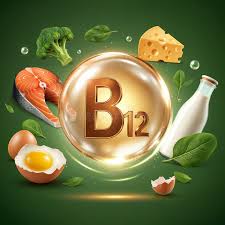
Animal Sources (Highest B12)
- Beef liver (3 ounces): 70 mcg
- Clams (3 ounces): 84 mcg
- Salmon (3 ounces): 4.8 mcg
- Eggs (1 large): 0.6 mcg
- Cheese (1 ounce): 0.2-0.9 mcg
- Milk (1 cup): 1.2 mcg
Fortified Plant Foods
For vegans and vegetarians:
- Nutritional yeast (1 tablespoon): varies
- Fortified plant milk (1 cup): 0.5-3 mcg
- Fortified cereals (1 serving): 1.5-6 mcg
Learn more about foods rich in methylated B12.
Foods That Support Methylation
These foods help the methylation cycle work better:
- Dark leafy greens (folate)
- Avocados (folate and B6)
- Legumes (folate)
- Nuts and seeds (magnesium)
- Fatty fish (omega-3s)
Testing Your B12 Levels
Before you start taking high doses, it helps to know where you stand.
Types of B12 Tests
Serum B12 test This is the most common. But it’s not always accurate. You can have “normal” levels in your blood but still be low in your cells.
Methylmalonic acid (MMA) test This is more accurate. When you’re low in B12, MMA levels go up.
Homocysteine test High homocysteine can mean low B12 or folate. This test shows if your methylation cycle is working well.
Optimal B12 Levels
Most doctors say “normal” is 200-900 pg/mL. But for good mood and energy, you want to be in the higher range:
- Optimal: 500-900 pg/mL
- Good: 400-499 pg/mL
- Low-normal: 200-399 pg/mL
- Deficient: Below 200 pg/mL
If you’re in the low-normal range and have mood problems, you might still benefit from supplementing.
Special Considerations for MTHFR Gene Mutations
About 40% of people have a gene mutation called MTHFR. This affects how your body uses folate and B12.
How MTHFR Affects B12 and Mood
The body needs methylcobalamin and methylfolate to make the compound glutathione. Without it, expressions of abnormal genetic DNA are more likely.
People with MTHFR mutations often:
- Have trouble converting regular folic acid and B12
- Need the active, methylated forms
- Are more likely to have mood problems
- May need higher doses
Signs You Might Have MTHFR
Common symptoms include:
- Depression or anxiety
- Fatigue that doesn’t improve with rest
- Brain fog or poor focus
- History of heart problems in your family
- Multiple miscarriages
If you think you might have MTHFR, you can ask your doctor for a simple blood test. Many people find that taking methylated B12 and folate makes a big difference.
Creating a Mood-Boosting B12 Plan
Here’s how to use methylated B12 as part of a plan to feel better.
Step 1: Start with Testing
Get your B12, folate, and homocysteine levels checked. This gives you a baseline to track your progress.
Step 2: Choose Your Supplement
Pick a high-quality methylated B12 supplement. Look for:
- Methylcobalamin on the label
- Third-party testing (like USP or NSF)
- No unnecessary fillers or additives
- A dose that matches your needs
Step 3: Start Low and Go Slow
Begin with a lower dose (500-1000 mcg) and increase if needed. This helps you see how your body responds.
Step 4: Take It Consistently
Take your B12 at the same time each day. Consistency matters more than the exact time.
Step 5: Give It Time
Wait at least 2-3 months before deciding if it’s working. Some people feel better quickly, but full benefits take time.
Step 6: Track Your Progress
Keep notes about:
- Your mood each day
- Energy levels
- Sleep quality
- Any other changes you notice
This helps you see patterns and know if it’s working.
When to See a Doctor
While B12 is safe, some situations need medical attention.
See Your Doctor If:
- Your mood is getting worse despite taking B12
- You have thoughts of hurting yourself
- You have severe symptoms like confusion or memory loss
- You’re not seeing any improvement after 3-4 months
- You have any concerning side effects
Depression and anxiety are serious. B12 can help, but it’s not a replacement for professional care. Work with your doctor to create a complete treatment plan.
Lifestyle Changes That Boost B12’s Mood Benefits
Taking methylated B12 works better when combined with healthy habits.
Get Regular Exercise
Moving your body helps:
- Make more mood-boosting chemicals
- Reduce stress
- Improve sleep
- Support B12 absorption
Even a 20-minute walk each day can help.
Prioritize Good Sleep
Methylated vitamin B12 supports better 24-hour sleep patterns by raising melatonin earlier in the evening to induce sleep, and decreasing it earlier in the morning to make waking easier.
Tips for better sleep:
- Go to bed at the same time each night
- Keep your room dark and cool
- Avoid screens before bed
- Take your B12 in the morning, not at night
Manage Stress
Stress uses up B12 faster. Try:
- Deep breathing exercises
- Meditation or yoga
- Spending time in nature
- Talking to friends or a therapist
Reduce Alcohol and Caffeine
Both can interfere with B12 absorption and affect your mood. Limit them if you can.
Eat a Balanced Diet
Focus on whole foods with lots of:
- Vegetables and fruits
- Lean proteins
- Healthy fats
- Whole grains
Methylated B12 for Specific Mood Conditions
Different mood problems may respond differently to B12.
For Depression
B12 can help with depression, especially if you’re deficient. It works well with:
- Antidepressant medications
- Therapy
- Exercise
- Other B vitamins
Several studies have shown that depressed patients with folate deficiency who take L-methylfolate 7.5 or 15 mg alongside their standard antidepressant medication have significantly improved clinical recovery.
For Anxiety
Low levels of Vitamin B12 have been found to be prevalent among individuals with depression and anxiety, impacting their mental health and overall well-being.
B12 helps calm anxiety by:
- Supporting GABA production (a calming brain chemical)
- Reducing homocysteine (which can increase anxiety)
- Improving sleep quality
- Boosting overall brain health
For Mood Swings
If your moods go up and down a lot, B12 might help by:
- Stabilizing neurotransmitter levels
- Supporting steady energy throughout the day
- Improving sleep patterns
- Reducing irritability
For Seasonal Mood Changes
Some people feel down during winter months. B12 combined with vitamin D can help with:
- Low energy
- Sadness
- Lack of motivation
- Sleep problems
Real Success Stories
Many people have found relief with methylated B12. Here’s what it can look like:
Sarah, 42, teacher “I felt tired and grumpy all the time. My doctor found my B12 was low-normal. After two months of taking methylated B12, I had so much more energy. My kids even noticed I was more patient and happy.”
Mike, 58, retired “I thought feeling down was just part of getting older. But my B12 was really low. Within a few weeks of starting methylated B12 injections, the fog lifted. I felt like myself again.”
Emma, 28, vegan “As a vegan, I knew I needed to take B12, but I was taking the wrong kind. When I switched to methylated B12 and added folate, my anxiety got so much better. I can actually focus at work now.”
These stories are common. While results vary, many people feel real improvement in their mood and energy with proper B12 supplementation.
Common Myths About B12 and Mood
Let’s clear up some confusion.
Myth 1: “If My Blood Test Is Normal, I Don’t Need B12”
Not true. Blood tests can miss functional deficiency. You might have “normal” levels but still have low B12 in your cells where it matters.
Myth 2: “All B12 Supplements Are the Same”
False. Methylated B12 is better absorbed and works faster than cyanocobalamin, especially for mood support. Learn about the difference between cyanocobalamin and methylcobalamin.
Myth 3: “B12 Only Helps If You’re Deficient”
Not necessarily. Even people with low-normal levels often feel better when they raise their B12. The goal is optimal levels, not just “not deficient.”
Myth 4: “You Can Get Too Much B12”
This is very rare. B12 is water-soluble, so your body gets rid of extra amounts safely. You can read more about symptoms of B12 overdose to understand when to be concerned.
Myth 5: “B12 Will Cure My Depression”
B12 is not a magic cure. It’s one tool that can help, especially if you’re deficient. But severe depression needs professional treatment. B12 works best as part of a complete plan.
Final Thoughts
Methylated B12 can be a powerful tool for improving your mood naturally. It helps your body make the chemicals that keep you feeling happy, calm, and energized.
Here’s what to remember:
Methylated B12 works by:
- Helping make mood-boosting brain chemicals
- Supporting the methylation cycle
- Lowering harmful homocysteine
- Improving nerve and brain health
You might benefit from methylated B12 if you:
- Feel down or anxious
- Are always tired
- Eat a plant-based diet
- Are over 50 years old
- Have digestive problems
- Have MTHFR gene mutations
To get the best results:
- Choose a quality methylated B12 supplement
- Take 500-1500 mcg daily (or as advised by your doctor)
- Be consistent and patient
- Combine it with healthy lifestyle habits
- Work with your healthcare provider
B12 isn’t a quick fix. But for many people, it makes a real difference in how they feel every day. If you’re struggling with your mood, checking your B12 levels and considering supplementation could be an important step toward feeling better.
Remember, taking care of your mental health is just as important as taking care of your physical health. Methylated B12 is one simple way to support both.
Ready to try methylated B12? Check out our shop for high-quality methylated B12 supplements, or visit our FAQ page to learn more. For more information about B12 and your health, explore our complete guide to methylated B12 benefits.