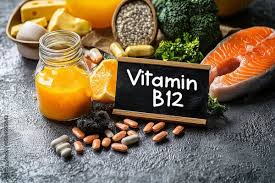
Methylcobalamin and cyanocobalamin are both forms of vitamin B12, but they work differently in your body. Methylcobalamin is natural and ready to use right away. Cyanocobalamin is man-made and needs to be changed by your body before it can work. For most people, methylcobalamin is the better choice because it’s easier for your body to absorb and use.
This guide will explain everything you need to know about these two B12 forms. You’ll learn how they’re different, which one works better, and how to pick the right one for your needs.
What Is Vitamin B12 and Why Do You Need It?
Vitamin B12 is a nutrient your body can’t make on its own. You have to get it from food or pills. Your body needs B12 for many important jobs.
What B12 Does in Your Body
B12 helps make red blood cells that carry oxygen through your blood. It keeps your nerves healthy and helps them send messages. It also helps make DNA, which is like a recipe book for your cells.
Without enough B12, you can feel very tired. Your hands and feet might tingle. You might have trouble thinking clearly or remembering things.
How Common Is B12 Deficiency?
Studies show that up to 20% of people over age 60 don’t get enough B12. Younger people can have low B12 too, especially if they don’t eat meat or have stomach problems.
Your body stores a lot of B12 in your liver, so it can take years before you notice you’re running low. That’s why checking your levels is important, even if you feel fine.
Understanding Methylcobalamin: The Natural Form
Methylcobalamin is the form of B12 that already exists in your body and in food. Think of it like money that’s ready to spend – you don’t need to exchange it first.
Where Methylcobalamin Comes From
Methylcobalamin is found naturally in fish, meat, eggs, and milk. When you eat these foods, this is the main form of B12 you’re getting. Some pills and drops also contain methylcobalamin.
How Your Body Uses Methylcobalamin
Your body can use methylcobalamin right away. It doesn’t need to change it into something else first. Methylcobalamin is the only form of B12 that can cross into your brain without being changed first.
This form helps your body make a brain chemical called serotonin, which helps you feel happy. It also protects your nerves and helps them work better.
Why Methylcobalamin Is Easy to Absorb
Research shows that methylcobalamin stays in your body longer than cyanocobalamin. Your body stores about 13% more of it in your liver. This means you get more benefit from each dose.
Studies also found that your body gets rid of cyanocobalamin in your urine three times faster than methylcobalamin. When you pee out less of the vitamin, your body can use more of it.
Understanding Cyanocobalamin: The Synthetic Form
Cyanocobalamin is a man-made form of B12. It doesn’t exist in nature or in your body. Think of it like foreign money – your body has to exchange it before it can use it.
Why Companies Make Cyanocobalamin
Cyanocobalamin is cheaper to make and stays fresh longer on store shelves. That’s why many vitamin companies put it in their pills. It costs less and doesn’t go bad as fast.
What Makes Cyanocobalamin Different
Cyanocobalamin has a tiny bit of cyanide attached to it. Don’t worry – it’s a very small amount. Your body can remove this cyanide safely in most cases.
But removing the cyanide takes extra work. Your liver has to break apart the cyanocobalamin molecule. Then it changes it into forms your body can actually use, like methylcobalamin.
How Your Body Processes Cyanocobalamin
When you take cyanocobalamin, your body converts it into methylcobalamin and adenosylcobalamin, the two active forms of B12. This conversion happens mainly in your liver.
The problem is that not everyone’s body is good at making this change. Some people have gene differences that make it harder. Others have health problems that slow down the process.
Head-to-Head: Methylcobalamin vs Cyanocobalamin
Let’s compare these two forms of B12 side by side. This will help you see which one might work better for you.
Absorption Rates: Which Gets Into Your Blood Better?
The research on absorption is a bit mixed. One study found that about 49% of cyanocobalamin was absorbed compared to 44% of methylcobalamin. That’s pretty close.
But here’s the twist: another study showed that three times more cyanocobalamin was passed out in urine. This suggests your body might absorb cyanocobalamin slightly better, but it also gets rid of it much faster.
Retention: Which Stays in Your Body Longer?
This is where methylcobalamin really shines. Research shows that methylcobalamin stays in your body better than cyanocobalamin.
Think of it like this: cyanocobalamin is like water through a leaky bucket. Some gets in, but a lot spills out. Methylcobalamin is like a bucket with fewer leaks. More of what you take actually stays and helps you.
Which Form Works Faster?
Methylcobalamin works faster because your body can use it right away. There’s no waiting for your liver to change it into something useful.
Studies show that B12 levels can return to normal within two months when people take methylcobalamin. People usually feel more energy within days or weeks.
Bioavailability Breakdown
| Factor | Methylcobalamin | Cyanocobalamin |
| Natural or Synthetic | Found in nature | Man-made in labs |
| Ready to Use | Yes, right away | No, needs conversion |
| Absorption Rate | 44% (slightly lower) | 49% (slightly higher) |
| Stays in Body | Better retention | More lost in urine |
| Conversion Needed | None | Must convert in liver |
| Works in Brain | Goes straight in | Must convert first |
Benefits of Methylcobalamin Over Cyanocobalamin
Methylcobalamin has some clear advantages, especially for certain people. Here’s why many doctors now recommend it.
Better for People with Gene Mutations
Some people have a gene called MTHFR that doesn’t work quite right. About 40% of people worldwide have some form of MTHFR gene mutation.
These gene differences make it harder for your body to change cyanocobalamin into the active form. But with methylcobalamin, you skip that step completely. You get the form your body needs without any conversion.
If you have trouble with methylation (a chemical process in your body), methylcobalamin is much better for you. Learn more about what is methylated B12 to understand how this works.
No Cyanide to Remove
Cyanocobalamin contains small amounts of cyanide that your body must remove and get rid of. For most people, this isn’t a problem. Your body handles it fine.
But some people might be sensitive. Smokers, people who work with chemicals, and those with kidney problems might already have cyanide in their bodies. Adding more through supplements isn’t ideal.
Methylcobalamin doesn’t have any cyanide. It’s cleaner and doesn’t add to your body’s detox workload.
Works Better for Nerve Health
Studies on diabetic nerve pain found that both forms help, but methylcobalamin may work better for protecting nerves.
In one study on people with ALS (a serious nerve disease), those taking 50 mg of methylcobalamin saw a 43% slower disease progression in 16 weeks.
Better for Brain Function
Your brain needs B12 to work well. Methylcobalamin crosses into your brain without needing to be changed first. This makes it better for:
- Memory and focus
- Mood and mental health
- Protecting brain cells
- Making brain chemicals like serotonin
Safer for Kidney Problems
People with kidney problems should avoid high doses of cyanocobalamin because cyanide can build up and cause harm. The kidneys normally filter out cyanide, but damaged kidneys can’t do this well.
Methylcobalamin is safer for people with kidney disease. There’s no cyanide to worry about.
Better for Gut Health
Research in mice showed that high doses of cyanocobalamin made inflammatory bowel disease worse by increasing harmful gut bacteria. Methylcobalamin didn’t have this problem and seemed to help keep gut bacteria balanced.
If you have Crohn’s disease, ulcerative colitis, or other gut problems, methylcobalamin might be a better choice.
When Cyanocobalamin Might Still Work
Even though methylcobalamin has many advantages, cyanocobalamin isn’t all bad. It still works for some people and situations.
Good for Basic Prevention
If you’re healthy and just want to prevent deficiency, cyanocobalamin works fine. Research on vegans found that cyanocobalamin was effective at maintaining B12 levels.
The key is taking it often enough. More frequent, smaller doses work better than one big dose per week.
Useful When Cost Matters
Cyanocobalamin costs less than methylcobalamin. If money is tight and you don’t have special health needs, the cheaper option might be okay.
But remember – if your body can’t convert it well, you’re wasting your money anyway. Sometimes spending a bit more on the better form saves money in the long run.
Works for Some Deficiencies
Cyanocobalamin pills worked well for raising B12 levels in people with pernicious anemia after three months. For severe deficiency, doctors often give cyanocobalamin shots at first because they work quickly.
How to Choose the Right B12 Form for You
Picking between methylcobalamin and cyanocobalamin depends on your situation. Here’s how to decide.
Consider Your Health Conditions
Choose methylcobalamin if you have:
- MTHFR gene mutations
- Kidney disease
- Nerve damage or neuropathy
- Inflammatory bowel disease
- Trouble absorbing nutrients
The benefits of methylated B12 are especially important for people with these conditions.
Think About Your Symptoms
Choose methylcobalamin if you’re dealing with:
- Extreme tiredness
- Brain fog or memory problems
- Tingling or numbness
- Mood swings or depression
- Sleep problems
If you’re wondering how does methylated B12 help with fatigue, the answer is that it works faster and more completely than cyanocobalamin.
Check Your Diet
Vegetarians and vegans need B12 supplements because plants don’t make this vitamin. Both forms can work, but methylcobalamin gives you more bang for your buck.
If you eat meat, fish, and eggs regularly, you’re already getting methylcobalamin from food. Taking the same form in supplements just makes sense.
Look at Your Age
As you get older, your stomach makes less acid, which makes it harder to absorb B12 from food.
People over 50 often need supplements. Methylcobalamin works better because it doesn’t rely as much on stomach acid for absorption. Sublingual (under the tongue) methylcobalamin is especially good for older adults.
Factor in Your Genes
If you know you have MTHFR mutations or other methylation problems, methylcobalamin is the clear winner. Your body can’t easily convert cyanocobalamin, so why make it try?
Don’t know your genes? You can ask your doctor for a test. Or you can just choose methylcobalamin to be safe.
How to Take B12 Supplements
Getting B12 into your body can happen in different ways. Each method has pros and cons.
Pills and Tablets
Regular B12 pills work if your stomach and intestines are healthy. You swallow them with water and they dissolve in your stomach.
The problem? You need stomach acid and a special protein called intrinsic factor to absorb B12 from pills. Many people don’t make enough of these, especially older adults.
Sublingual (Under the Tongue)
Sublingual B12 dissolves under your tongue. It goes straight into your blood through the thin skin in your mouth.
This method skips your stomach completely. It works great for people with absorption problems. The vitamin gets into your blood within minutes.
Injections
Doctors give B12 shots for severe deficiency or when your body can’t absorb pills at all. The shots go into your muscle and the B12 slowly releases into your blood.
Shots work very fast. They’re the strongest option. But they hurt, cost more, and require doctor visits.
How Much to Take
The amount you need depends on several things:
- How low your B12 is
- Why it’s low
- Your age and health
- Which form you’re taking
Most adults need at least 2.4 micrograms per day. But supplements often contain much more – sometimes 1,000 to 5,000 micrograms.
Don’t worry about taking too much. B12 is water-soluble, which means your body gets rid of extra amounts in your urine. There’s no known harm from taking high doses.
When to Take Your B12
Take B12 in the morning or early afternoon. It can give you energy, which you want during the day – not at bedtime.
Take it on an empty stomach if possible. This helps absorption, especially for sublingual forms. If it bothers your stomach, taking it with food is fine.
Signs You Might Need More B12
Your body gives you signals when you’re running low on B12. Don’t ignore them.
Physical Symptoms
Watch for these body signs:
- Feeling tired all the time, even after sleeping
- Weakness in your muscles
- Shortness of breath
- Dizziness or feeling off-balance
- Heart beating fast
- Pale or yellowish skin
About half of people with severe B12 deficiency lose the little bumps on their tongue, especially around the edges. This can make food taste funny or not taste like anything at all.
Brain and Nerve Symptoms
B12 deficiency can cause tingling, numbness, or pins and needles in your hands and feet. This happens because B12 protects the coating around your nerves.
Other brain symptoms include:
- Trouble remembering things
- Feeling confused or foggy
- Trouble concentrating
- Mood changes or depression
- Feeling anxious or irritable
Doctors sometimes mistake B12 deficiency for early Alzheimer’s in elderly patients. But unlike Alzheimer’s, B12 problems can be fixed with supplements.
Who’s at Risk?
You’re more likely to have low B12 if you:
- Are over 60 years old
- Follow a vegan or strict vegetarian diet
- Had surgery on your stomach or intestines
- Take certain medications like metformin or antacids
- Have Crohn’s disease, celiac disease, or other gut problems
- Drink alcohol often
If any of these apply to you, ask your doctor to check your B12 levels. A simple blood test can tell you where you stand.
Common Questions About B12 Forms
People often have questions when choosing between these two B12 forms. Here are clear answers.
Can I Switch from Cyanocobalamin to Methylcobalamin?
Yes, you can switch anytime. There’s no need to stop one before starting the other. Many people feel better after switching to methylcobalamin.
You might notice more energy and clearer thinking within a few weeks. Some people feel the difference in just days.
Is Methylcobalamin Worth the Extra Cost?
For most people, yes. The better absorption and retention mean you get more value from each dose. You might even need to take less of it.
Plus, if you have any absorption problems or gene mutations, cyanocobalamin might not work well anyway. You’d be wasting money on a product that doesn’t help you.
Can I Take Too Much B12?
Not really. Your body stores extra B12 in your liver and gets rid of what it doesn’t need in your urine. There are no known problems from taking too much.
High doses are sometimes used on purpose for specific health conditions. Doses of 1,000 to 5,000 micrograms are common and safe.
How Long Until I Feel Better?
It depends on how low your levels are. Most people see their B12 levels return to normal within two months.
But you might feel better sooner. Many people notice more energy within days or a couple weeks. Nerve symptoms take longer to improve – sometimes several months.
Do I Need a Doctor’s Prescription?
In most places, no. Both methylcobalamin and cyanocobalamin are available without a prescription. You can buy them at drug stores, health food stores, or online.
But it’s smart to talk to your doctor first, especially if you have health problems or take medications. They can test your B12 levels and help you pick the right dose.
Can I Get Enough B12 from Food?
If you eat meat, fish, eggs, and dairy products regularly, you probably get enough from food. The best food sources include beef liver, clams, fish, meat, poultry, eggs, and dairy.
Vegans and vegetarians need supplements because plants don’t make B12. Some foods like nutritional yeast and certain algae are fortified with B12, but it’s hard to get enough from these alone.
What About B12 in Multivitamins?
Most multivitamins contain cyanocobalamin because it’s cheaper. This might be okay for basic prevention in healthy people.
But if you have any risk factors for low B12, a separate methylcobalamin supplement is better. Check your multivitamin label to see which form it contains.
Making the Right Choice for Your Health
After looking at all the facts, methylcobalamin comes out ahead for most people. Here’s why.
The Evidence Points to Methylcobalamin
Research shows that methylcobalamin:
- Stays in your body longer
- Works without needing conversion
- Crosses into your brain easier
- Doesn’t contain cyanide
- Works better for people with gene mutations
- Protects nerves more effectively
The only real advantage of cyanocobalamin is that it costs less. But if it doesn’t work as well for your body, the savings don’t matter.
Quality Matters
Not all B12 supplements are created equal. Look for products that:
- Use pharmaceutical-grade ingredients
- Are tested for purity
- Come from trusted companies
- Have good reviews from real users
- Provide clear dosing information
A high-quality methylcobalamin supplement, like those available in our shop, gives you the best chance of success.
Listen to Your Body
Pay attention to how you feel after starting any B12 supplement. If you don’t notice any improvement after a few weeks, you might need:
- A higher dose
- A different form
- A different delivery method (like sublingual instead of pills)
- To address other health issues affecting absorption
Don’t be afraid to adjust your approach. Everyone’s body is different.
Final Thoughts
Choosing between methylcobalamin and cyanocobalamin doesn’t have to be confusing. The science is pretty clear: methylcobalamin works better for most people.
It’s natural, ready to use, and stays in your body longer. Your brain loves it. Your nerves need it. And if you have any trouble with methylation or absorption, it’s really your only good choice.
Yes, methylcobalamin costs a bit more. But think of it as an investment in your health. You’ll likely need less of it because your body uses it more efficiently. And you’ll feel the benefits faster.
If you’re dealing with low energy, brain fog, or nerve problems, don’t wait. Your body needs B12 to feel good and work right. The right supplement can make a huge difference in how you feel every day.
Ready to try the better form of B12? Check out our methylated B12 products designed for superior absorption and real results. Or explore more about how methylated B12 can help you feel your best.
Your body deserves the best form of B12. Choose methylcobalamin and feel the difference.