Yes, methylated B12 can help your memory and focus, especially if you’re low in this important vitamin. Your brain needs B12 to make chemicals that help you think clearly, remember things, and stay sharp. When you don’t have enough, your brain can feel foggy and slow.
In this guide, you’ll learn how methylated B12 supports your brain, who needs it most, and what science says about its benefits for memory and focus. We’ll also share simple ways to use it and what to expect.
Why Your Brain Needs B12
Your brain is like a busy city. It needs the right fuel to keep everything running smoothly. B12 is one of the most important nutrients your brain uses every day.
What B12 Does for Your Brain
B12 helps your brain in several key ways. It makes the protective coating around your nerve cells. Think of this coating like the plastic wrap around electrical wires. Without it, signals in your brain get mixed up.
B12 also helps make brain chemicals called neurotransmitters. These chemicals control your mood, memory, and how well you can focus. The main ones include serotonin, dopamine, and norepinephrine.
Your brain also needs B12 to:
- Build and fix DNA in brain cells
- Keep homocysteine levels healthy (high levels hurt your brain)
- Turn food into energy for your brain
- Protect brain cells from damage
How Low B12 Affects Your Thinking
When you’re low in B12, you might notice problems with memory, focus, and clear thinking. Many people describe it as “brain fog.” Everything feels harder and slower.
Common complaints include forgetfulness, poor focus and concentration, memory decline, and generalized tiredness.
What Makes Methylated B12 Special
Not all B12 is the same. There are different types, and some work better than others.
The Four Types of B12
B12 comes in four main forms:
- Methylcobalamin (Methyl B12) – The active form your body can use right away
- Adenosylcobalamin – Another active form that helps make energy
- Hydroxocobalamin – A natural form often used in shots
- Cyanocobalamin – A man-made form found in cheap vitamins
Why Methylated B12 Works Better
Methylcobalamin is the only form of B12 that can cross the blood-brain barrier without needing to be changed first. This means it gets into your brain faster and easier.
Its methyl group helps create serotonin, a brain chemical that affects mood and thinking. Your body can start using it immediately without any extra steps.
Regular B12 (cyanocobalamin) needs to be converted in your body before it works. This takes time and energy. For some people, this conversion doesn’t happen well.
Who Benefits Most
Methylated B12 is especially helpful for:
- People with genetic problems that affect B12 use (like MTHFR mutations)
- Older adults who have trouble absorbing nutrients
- Anyone with digestive issues
- People who take medicines that block stomach acid
- Vegetarians and vegans
How Methylated B12 Helps Memory
Memory is one of the brain’s most important jobs. When your memory works well, life feels easier. You remember where you put things, recall names, and learn new information quickly.
The Brain Science Behind Memory
Vitamin B12 is a precursor in making all major brain chemicals including acetylcholine, dopamine, GABA, norepinephrine, and serotonin. These chemicals help your brain store and recall memories.
Low B12 levels are linked to poor memory performance, memory loss, disorientation, and dementia. This happens because B12 helps protect the coating around your nerve cells.
What Research Shows
Studies show that B12 supplements can improve memory scores in people with low B12 levels. In one study, patients showed significant improvement in memory testing after taking B12 for just a few months.
Research has found that even low B12 levels within the normal range are associated with worse memory performance. This means you might benefit from B12 even if your blood test looks okay.
People with lower B12 showed slower processing speeds and delays in responding to visual information. When they brought their B12 levels up, many of these problems got better.
Age and Memory
In older adults, low B12 markers were linked to smaller brains and lower scores on tests measuring short-term memory and concentration. Your brain naturally shrinks a bit as you age, but low B12 makes this worse.
Taking methylated B12 may help slow this process. While it won’t reverse severe memory loss, it can help keep your brain healthier as you get older.
How Methylated B12 Improves Focus
Focus is your ability to pay attention to one thing without getting distracted. Good focus helps you work better, learn faster, and get more done.
The Connection Between B12 and Attention
B12 supplements improve your concentration, letting you focus for longer periods. They do this by supporting several brain processes at once.
First, B12 helps make dopamine and norepinephrine. These chemicals keep you alert and motivated. Without enough of them, staying focused feels really hard.
B12 helps balance neurotransmitters like dopamine and norepinephrine, which both run low in people with attention problems. It also helps make myelin, the coating that speeds up brain signals.
B12 and Brain Energy
Your brain uses a lot of energy. Even though it’s only about 2% of your body weight, it uses about 20% of your energy.
B12 is central to producing neurotransmitters that control attention and mental well-being. When your brain doesn’t have enough energy, focus becomes nearly impossible.
Methylated B12 helps turn food into ATP, the energy your cells use. More energy means better focus and less mental fatigue.
Real-World Results
Parents and teachers report remarkable improvements in children’s ability to focus and pay attention after starting methyl B12 therapy. While these studies focused on children with autism and ADHD, many adults report similar benefits.
People often notice they can:
- Work longer without getting distracted
- Remember what they’re doing mid-task
- Switch between tasks more easily
- Feel more mentally “awake” and alert
The Methylation Connection
Methylation sounds complicated, but it’s actually pretty simple. It’s a process where your body adds tiny chemical groups to different molecules. This happens millions of times every day in every cell.
Why Methylation Matters for Your Brain
Methylation is involved in making neurotransmitters, so methylated vitamins can help support healthy levels of serotonin, dopamine, and norepinephrine. This leads to better mood, focus, and mental clarity.
Methylcobalamin, along with folate, is needed to convert homocysteine to methionine. Methionine is needed to make SAM, which is necessary for making neurotransmitters and keeping your brain and nervous system working.
When methylation doesn’t work well, you might experience:
- Brain fog and confusion
- Poor memory and concentration
- Low energy and motivation
- Mood problems like depression or anxiety
The MTHFR Factor
Some people have a genetic change called an MTHFR mutation. This affects about 30-40% of people. This mutation can reduce the body’s ability to process B12 and folate by around 20-70%.
If you have this mutation, regular B12 might not work well for you. That’s why methylated B12 is so important. It’s already in the active form your body needs.
Signs you might have an MTHFR mutation:
- Chronic fatigue or low energy
- Brain fog and poor concentration
- Anxiety or depression
- High homocysteine levels
- Family history of heart disease
Dosage for Memory and Focus
Getting the right amount matters. Too little won’t help, but the good news is that B12 is very safe, even at high doses.
Recommended Amounts
Most studies on cognitive function used B12 doses between 500 and 1,000 mcg daily. Treatment usually lasted from 24 to 104 weeks for best results.
Here’s a simple guide:
| Purpose | Daily Dose | Notes |
| Basic support | 500 mcg | Good starting point for most people |
| Memory support | 1,000 mcg | For noticeable cognitive benefits |
| Deficiency treatment | 1,500-2,000 mcg | Under doctor guidance |
| MTHFR mutations | 1,000-5,000 mcg | May need higher amounts |
How to Take It
Sublingual (under the tongue) forms work best. You put the tablet under your tongue and let it dissolve. This lets the B12 go straight into your blood without passing through your stomach.
Take it in the morning with breakfast. Some people feel more energized after taking B12, so avoid taking it late in the day if it affects your sleep.
When to Expect Results
Many people notice improvements in memory and thinking after 21 to 133 days of taking B12. The timeline depends on how low your levels were to start with.
You might notice:
- Within a few days: More energy and less fatigue
- Within 2-4 weeks: Better focus and less brain fog
- Within 2-3 months: Improved memory and mental clarity
Foods That Support Brain Health
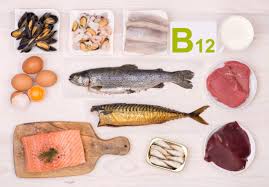
While supplements help, eating the right foods matters too. B12 is found naturally in animal products.
Top B12 Food Sources
Seafood (highest amounts)
- Clams: 17 mcg per 3 ounces
- Oysters: 14.9 mcg per 3 ounces
- Salmon: 2.6 mcg per 3 ounces
- Tuna: 2.5 mcg per 3 ounces
Meat and Organs
- Beef liver: 70.7 mcg per 3 ounces
- Beef: 2.4 mcg per 3 ounces
- Chicken: Moderate amounts
Dairy and Eggs
- Milk: 1.3 mcg per cup
- Yogurt: 1.0 mcg per container
- Cheese: 0.5 mcg per serving
- Eggs: 0.5 mcg per large egg
For Vegetarians and Vegans
Plant foods don’t naturally have B12. If you don’t eat animal products, you need to either take supplements or eat fortified foods like:
- Fortified breakfast cereals
- Nutritional yeast with added B12
- Plant-based milk with added B12
- Meat substitutes with B12
Learn more about B12 for vegans on our site.
Who Needs Methylated B12 Most
Some people are at higher risk for low B12. If you’re in one of these groups, you might benefit from methylated B12.
Older Adults
As you age, your stomach makes less acid. You need stomach acid to get B12 out of food. Between 3% and 43% of older adults may have B12 deficiency.
Many doctors suggest that everyone over 50 should take a B12 supplement. This becomes even more important if you take acid-blocking medicines.
People with Digestive Issues
Conditions that affect your gut can block B12 absorption:
- Celiac disease
- Crohn’s disease
- Gastric bypass or stomach surgery
- Pernicious anemia
These conditions damage the part of your digestive system that absorbs B12. Sublingual methylated B12 helps because it goes straight into your bloodstream.
People Taking Certain Medicines
Metformin, used for diabetes, might reduce B12 absorption significantly. Other medicines that can lower B12 include:
- Proton pump inhibitors (PPIs) like omeprazole
- H2 blockers like ranitidine
- Some antibiotics
If you take these long-term, ask your doctor to check your B12 levels yearly.
Vegans and Vegetarians
Animal foods are the only natural sources of B12. If you don’t eat meat, fish, eggs, or dairy, you’re at high risk for deficiency.
Why vegans need methylated B12 explains this in more detail.
Signs You Might Be Low in B12
B12 deficiency develops slowly, sometimes over years. Watch for these warning signs that affect your brain:
Mental and Memory Symptoms
- Brain fog or trouble thinking clearly
- Poor memory, especially short-term
- Difficulty concentrating on tasks
- Confusion or disorientation
- Problems finding the right words
Mood Changes
- Feeling more irritable or frustrated
- Depression or low mood
- Anxiety or nervousness
- Lack of motivation
Physical Brain Symptoms
- Dizziness or feeling lightheaded
- Numbness or tingling in hands and feet
- Balance problems or clumsiness
- Ringing in ears
If you have several of these symptoms, talk to your doctor about testing your B12 levels. Learn more about B12 deficiency symptoms.
B12 Testing and Results
Before starting supplements, it helps to know where you stand. Your doctor can check your B12 with blood tests.
Types of Tests
Serum B12 Test This measures total B12 in your blood. Normal is usually above 300 pg/mL. But even levels within the normal range may not be enough for optimal brain function.
Methylmalonic Acid (MMA) MMA is the most sensitive marker of B12 status. When B12 is low, MMA goes up. An MMA level greater than 0.271 micromol/L suggests B12 deficiency.
Homocysteine High levels may mean you’re low in B12 or folate. Elevated homocysteine appears toxic to nerve cells and blocks receptors needed for memory.
Understanding Your Results
Even if your regular B12 test looks normal, you might still benefit from supplements. Scientists now think we need to rethink what a “low” B12 level should be in clinical practice.
If you have brain symptoms like poor memory or focus, talk to your doctor about more detailed testing, including MMA and homocysteine.
Safety and Side Effects
The good news is that methylated B12 is very safe. Even at high doses, serious problems are rare.
Is It Safe?
B12 is water-soluble. This means your body gets rid of extra amounts through urine. You can’t really take “too much” in a dangerous way.
High-quality evidence from multiple studies shows B12 supplements are generally well-tolerated with few side effects.
Possible Side Effects
Most people don’t notice any problems. When side effects happen, they’re usually mild and temporary:
- Mild headache (goes away after a few days)
- Feeling jittery or more energized (usually settles down)
- Trouble sleeping if taken too late in the day
- Mild stomach upset
If you notice any of these, try taking your B12 with food or lowering your dose.
When to Talk to Your Doctor
Check with your doctor before taking methylated B12 if you:
- Have kidney disease
- Take blood thinners
- Are pregnant or nursing (though B12 is usually safe)
- Have any allergies to B vitamins
Learn more about side effects of methylated B12.
Beyond Memory: Other Brain Benefits
While memory and focus are important, methylated B12 helps your brain in other ways too.
Mood and Mental Health
B12 helps make serotonin and dopamine, chemicals that influence mood and emotional well-being. Many people with depression or anxiety have low B12.
Taking methylated B12 may help you:
- Feel less depressed or anxious
- Have more motivation
- Sleep better
- Feel more emotionally balanced
Check out methylated B12 for mood improvement for more details.
Mental Clarity and Brain Fog
Brain fog makes everything harder. You feel slow, confused, and like you’re thinking through a thick cloud. B12 supplements can improve your concentration level, letting you focus for longer periods.
Learn more about methylated B12 for brain fog.
Long-Term Brain Protection
Methylcobalamin shows neuroprotective effects and can help protect brain cells from damage. While it won’t prevent all age-related brain changes, it can help keep your brain healthier longer.
Combining B12 with Other Brain Nutrients
Methylated B12 works best when paired with other brain-supporting nutrients.
Methylfolate (Vitamin B9)
B12 and folate work together like partners. They both help recycle homocysteine and support neurotransmitter production. Taking them together gives better results than taking either alone.
Many quality supplements include both. Look for products with methylfolate (also called 5-MTHF), not regular folic acid.
Learn about methylated folate vs methylated B12.
Other Brain Supporters
Consider adding:
- Vitamin B6: Helps B12 work better
- Omega-3 fats: Support brain structure and function
- Magnesium: Helps with focus and calm
- Vitamin D: Supports brain health and mood
Best Time to Take Them
Take B12 in the morning with breakfast. It can be energizing, so avoid taking it late in the day. You can take it with or without food, but sublingual forms work best on an empty stomach.
What the Research Really Says
Let’s be honest about what science shows. The truth is more nuanced than simple “yes or no.”
When B12 Helps
Research shows clear improvements in memory and thinking when people with B12 deficiency take supplements. If you’re low, bringing your levels up can make a real difference.
Studies have found that supplementing B12 in deficient patients leads to improved cognitive function, at least in the short term.
When Results Are Less Clear
For people with normal B12 levels and no deficiency, studies show mixed results. High-quality research found no significant effects on memory or thinking in elderly patients with normal B12 levels.
This doesn’t mean B12 is useless for healthy people. It means:
- B12 works best if you’re actually low
- “Normal” blood levels might not be optimal
- Individual responses vary a lot
- Other factors affect brain health too
The Bottom Line
If you have symptoms like poor memory, brain fog, or trouble focusing, checking your B12 makes sense. If it’s low or even in the lower-normal range, methylated B12 may help significantly.
If your levels are already high and you feel fine, adding more B12 probably won’t boost your brain power. But it’s safe to try, and many people report feeling better.
Choosing a Quality Supplement
Not all B12 supplements are created equal. Here’s what to look for.
Key Features
Form of B12 Make sure it says “methylcobalamin” on the label, not “cyanocobalamin.” The methylated form is worth the extra cost.
Delivery Method Sublingual (under the tongue) tablets work better than pills you swallow. They bypass your digestive system and go straight into your blood.
Added Folate The best supplements include methylfolate (5-MTHF) along with B12. These two vitamins work together for better results.
Quality Standards Look for:
- Third-party testing for purity
- Made in GMP-certified facilities
- Free from allergens
- No artificial colors or sweeteners
Our Recommendation
Our methylated B12 supplements are doctor-approved and contain both methylcobalamin and Quatrefolic® (methylfolate). They’re formulated for maximum absorption and effectiveness.
You can shop our products to find the right option for you. We offer single bottles, 3-bottle packs, or 6-bottle bundles with savings.
Lifestyle Tips for Better Brain Health
Supplements help, but they work best as part of a healthy lifestyle.
Support Your Brain with Diet
Eat foods rich in:
- Omega-3 fats: Salmon, sardines, walnuts
- Antioxidants: Berries, dark leafy greens, colorful vegetables
- Whole grains: For steady energy
- Lean protein: To make neurotransmitters
Check out foods rich in methylated B12.
Get Enough Sleep
Your brain cleans itself while you sleep. Aim for 7-9 hours each night. Poor sleep makes memory and focus much worse, even if your B12 is perfect.
Manage Stress
Chronic stress drains B vitamins and hurts your brain. Try:
- Deep breathing exercises
- Regular exercise
- Time in nature
- Activities you enjoy
Keep Learning
Challenge your brain regularly. Learn new skills, solve puzzles, read books, or take up a hobby. A busy brain stays healthier longer.
Stay Physically Active
Exercise increases blood flow to your brain. It also helps make new brain cells. Aim for at least 30 minutes of activity most days.
Common Questions About B12 and Brain Health
Can B12 Reverse Memory Loss?
It depends. If memory loss is caused by B12 deficiency, it may be reversible with supplementation. But if it’s from other causes like Alzheimer’s disease, B12 alone won’t reverse it.
The earlier you catch low B12, the better. Long-term deficiency can cause permanent nerve damage.
How Long Until I Notice Improvements?
Most people feel more energized within a few days. Memory and focus improvements usually take 2-8 weeks. Studies show significant cognitive improvements after several weeks to months of supplementation.
Can I Take Too Much?
B12 is very safe, even at high doses. Your body removes what it doesn’t need. There’s no established upper limit for B12 because it has such low toxicity.
Should I Take B12 If My Blood Test Is Normal?
Research suggests that “normal” B12 levels might not be optimal for brain health. Lower levels within the normal range were associated with slower thinking and brain changes.
If you have symptoms, it’s worth trying B12 even if your test looks okay. Many doctors now recommend levels above 400-500 pg/mL for optimal brain function.
Does the Brand Matter?
Yes. Quality varies a lot between brands. Choose supplements that are:
- Made by reputable companies
- Third-party tested
- Clearly labeled with methylcobalamin
- Free from unnecessary fillers
For more answers, visit our FAQ page.
Final Thoughts
Methylated B12 plays a crucial role in memory, focus, and overall brain health. While it’s not a magic pill that will transform your thinking overnight, it can make a real difference if you’re low in this important nutrient.
The evidence is strongest for people who have low B12 levels or absorption problems. For these folks, bringing B12 levels up can lead to noticeable improvements in memory, focus, mental clarity, and energy.
Even if your B12 is technically “normal,” you might benefit from methylated B12, especially if you’re over 50, have digestive issues, take certain medicines, or follow a plant-based diet. The methylated form is easier for your body to use and may work better than regular B12 supplements.
Remember these key points:
- Methylated B12 is the active form your brain can use immediately
- It helps make brain chemicals that control memory and focus
- Most people notice benefits within a few weeks to months
- It’s very safe, even at higher doses
- It works best combined with methylfolate and a healthy lifestyle
If you’re struggling with brain fog, poor memory, or trouble concentrating, checking your B12 status makes sense. A simple blood test can tell you where you stand. And if you decide to try methylated B12, give it at least 2-3 months to see full benefits.
Want to experience the difference methylated B12 can make? Check out our doctor-approved supplements that combine methylcobalamin with methylfolate for complete brain support. Still have questions? Contact us for help choosing the right product for your needs.
Your brain works hard for you every day. Give it the nutrients it needs to stay sharp, focused, and healthy for years to come.