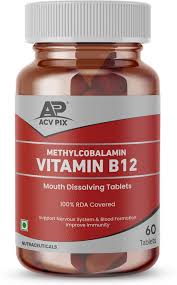
The good news is that it’s really hard to take too much methylated B12. Your body gets rid of extra B12 through your pee, so there’s no official upper limit on how much you can safely take. Most people do well with 500 to 2,000 mcg per day, but some people need much more.
This article will help you understand safe amounts of methylated B12, when you might need higher doses, and what signs to watch for if you’re taking supplements.
What Makes Methylated B12 Different
Methylated B12 is the active form of vitamin B12 called methylcobalamin. Unlike regular B12, your body can use it right away without changing it first.
Why Your Body Needs B12
B12 does many important jobs in your body:
- Makes red blood cells that carry oxygen
- Keeps your nerves healthy and working right
- Helps your brain work well
- Turns food into energy you can use
- Protects your heart by controlling homocysteine levels
Your body stores B12 in your liver, which can hold enough for several years. This means symptoms of B12 deficiency often take a long time to show up.
How Methylated B12 Works Better
Methylated B12 skips several steps that regular B12 needs to go through. This makes it easier to absorb, especially if you have:
- An MTHFR gene mutation
- Stomach problems
- Low stomach acid
- Digestive issues
People with these conditions often do better with methylated B12 because their bodies can use it without extra work.
How Much B12 Do You Really Need
The amount of B12 you need depends on your age, health, and why you’re taking it.
Daily Amounts for Most People
The recommended daily amount for adults is 2.4 mcg. But this is just what your body needs to avoid becoming low on B12. Many experts think you need more for the best health.
Here’s what different age groups need:
| Age Group | Daily Amount |
| Adults under 50 | 2.4 mcg |
| Adults over 50 | 2.4 to 500 mcg |
| Pregnant women | 2.6 mcg |
| Breastfeeding women | 2.8 mcg |
Most B12 supplements contain much more than the daily recommended amount. This is okay because only a small amount of what you take actually gets absorbed.
Why Supplements Have Higher Amounts
When you take B12 by mouth, your body only absorbs about 1-2% of it. This means if you take a 500 mcg pill, your body might only use about 5-10 mcg.
This is why many B12 supplements contain between 500 and 5,000 mcg. The extra amount makes up for what your body doesn’t absorb.
Can You Take Too Much Methylated B12
Scientists have not set an upper limit for B12 because it’s water-soluble. This means your body doesn’t store extra amounts. Instead, it sends the extra out through your pee.
What Studies Show About High Doses
Research shows that even very high doses of methylated B12 are safe:
- In Japan, doctors use 25,000 to 50,000 mcg shots for people with ALS
- MS patients took 60,000 mcg daily for six months with no problems
- One study used 5,000,000 mcg for cyanide poisoning with only minor, temporary effects
These studies show that methylated B12 has a very good safety record, even at amounts much higher than most people take.
Why Most People Don’t Need High Doses
If your B12 levels are normal, taking extra won’t give you more energy or better health. Taking high doses when you don’t need them just means your body works harder to get rid of the extra through your kidneys.
For most healthy people, amounts between 500 and 2,000 mcg per day work well. Higher doses should be used only if your doctor finds you’re low on B12 or you have trouble absorbing it.
When You Might Need More Methylated B12
Some people need higher doses of methylated B12 because of health problems or how their body works.
People With Absorption Problems
If your body can’t absorb B12 well from food, you might need supplements. This includes people with:
Pernicious Anemia: Your body attacks the cells that help you absorb B12. You might need 1,000 to 2,000 mcg daily or regular shots.
Low Stomach Acid: As you get older, your stomach makes less acid. This makes it harder to get B12 from food. Adults over 50 often need 500 to 1,000 mcg daily.
Digestive Problems: Conditions like Crohn’s disease or celiac disease damage your gut. You might need 1,000 mcg or more each day.
After Weight Loss Surgery: Surgery that changes your stomach can make it hard to absorb B12. High doses of 1,000 mcg daily often help.
People Taking Certain Medications
Some medicines make it harder for your body to absorb B12:
- Metformin for diabetes
- Proton pump inhibitors like Prilosec or Nexium
- H2 blockers like Zantac or Pepcid
If you take these medications long-term, talk to your doctor about B12 supplements. You might need 500 to 1,000 mcg daily.
People With MTHFR Gene Mutations
The MTHFR gene helps your body use B12 and folate. If you have mutations in this gene, your body might not process regular B12 well.
People with MTHFR mutations often do better with methylated B12 because it bypasses the problem. Doses of 1,000 to 5,000 mcg daily are common for this group.
Vegetarians and Vegans
B12 only comes from animal foods naturally. Vegans and vegetarians need to get B12 from supplements or fortified foods.
If you don’t eat animal products, take at least 250 to 500 mcg daily. Some experts suggest even more to make up for lower absorption from supplements.
Signs You’re Taking the Right Amount
How do you know if you’re taking enough B12? Your body will tell you.
Good Signs Your Dose Is Working
When you’re getting enough B12, you should notice:
- More energy during the day
- Better focus and clear thinking
- Improved mood
- Less tingling in hands or feet
- Better sleep at night
These benefits usually show up within a few days to a few weeks of starting methylated B12.
Testing Your B12 Levels
Blood tests can show if your B12 levels are healthy. Normal B12 levels are between 200 and 900 pg/mL.
However, blood tests don’t always tell the whole story. You can have normal B12 in your blood but still be low in your cells. Your doctor might check other markers like:
- MMA (methylmalonic acid)
- Homocysteine levels
- Red blood cell size
These tests give a better picture of whether your body has enough B12.
Possible Side Effects of High Doses
While methylated B12 is very safe, some people notice effects when they take high doses.
Common Mild Effects
A small number of people report these effects:
Skin Changes: Some people get acne or redness when they take high doses. This usually goes away when you lower the dose or stop taking it.
Extra Energy: High doses might make you feel very energetic or make it hard to sleep. Try taking B12 in the morning instead of at night.
Headaches: A few people get headaches when starting B12. This often stops after a few days as your body adjusts.
Nausea: Taking B12 on an empty stomach might upset your stomach. Try taking it with food.
These effects are usually mild and go away quickly. They’re not dangerous, just annoying.
When to Talk to Your Doctor
See your doctor if you notice:
- Severe skin rash or hives
- Trouble breathing
- Fast heartbeat that won’t slow down
- Severe headaches
- Swelling of your face or throat
These could be signs of an allergic reaction. While rare, allergies to cobalt (which is in B12) can happen.
Special Considerations for Kidney Disease
People with kidney problems should be careful with high doses of B vitamins. Your kidneys get rid of extra B12, so if they’re not working well, B12 could build up.
If you have kidney disease, talk to your doctor before taking more than 500 mcg daily.
How to Take Methylated B12 Safely
Getting the most from your B12 supplement is easy when you know a few simple tips.
Best Ways to Take It
Sublingual (Under the Tongue): This method works really well for methylated B12. The vitamin goes straight into your blood without going through your stomach first.
Place the tablet or lozenge under your tongue and let it dissolve completely. This usually takes a few minutes. Don’t swallow or chew it.
With or Without Food: You can take methylated B12 anytime. Some people prefer taking it with breakfast so they remember to do it daily.
Time of Day: Take B12 in the morning or early afternoon. Since it gives you energy, taking it too late might make it hard to fall asleep.
Starting Your B12 Routine
If you’re new to B12 supplements, start with a moderate dose like 500 to 1,000 mcg daily. Watch how your body responds for a few weeks.
You can increase the dose if needed, but most people don’t need more than 2,000 mcg daily. Very high doses (5,000 mcg or more) should only be used if your doctor recommends them.
Working With Your Doctor
Always tell your doctor about any supplements you take. This is especially important if you:
- Take prescription medications
- Have health conditions
- Are pregnant or nursing
- Plan to have surgery soon
Your doctor can check your B12 levels and help you find the right dose for your needs. They can also watch for any problems with other medications you take.
Comparing Different Forms of B12
Not all B12 supplements are the same. Understanding the differences helps you choose the best one.
Methylcobalamin vs Cyanocobalamin
Methylcobalamin is the active form that your body can use right away. It works great for people with MTHFR mutations or absorption problems.
Cyanocobalamin is the synthetic form found in most cheap supplements. Your body has to convert it before using it. This form contains a tiny amount of cyanide, which your body removes.
Methylcobalamin is better than regular B12 for most people because it’s ready to use and doesn’t need conversion.
Other Forms of B12
Hydroxocobalamin: This is another active form of B12. It lasts longer in your body than methylcobalamin. Doctors often use it for B12 shots.
Adenosylcobalamin: This is the form of B12 that works in your cells’ energy factories. Some supplements combine it with methylcobalamin.
For most people, methylcobalamin is the best choice because it’s well-studied, safe, and works well.
Foods Rich in Methylated B12
While supplements help, getting B12 from food is great too. However, remember that methylated B12 mainly comes from animal sources.
Best Food Sources
These foods give you the most B12:
- Beef liver (one serving has over 70 mcg)
- Clams and oysters (15-17 mcg per serving)
- Fish like salmon and tuna (2-3 mcg per serving)
- Beef and chicken (2-3 mcg per serving)
- Eggs (0.5 mcg per egg)
- Milk and yogurt (1-1.3 mcg per serving)
Even if you eat these foods, you might not absorb all the B12 they contain. This is why many people benefit from supplements.
Fortified Foods for Vegetarians
If you don’t eat animal products, look for fortified foods:
- Nutritional yeast (varies, check the label)
- Fortified cereals (about 6 mcg per serving)
- Plant-based milks (about 1 mcg per cup)
- Meat substitutes (varies by brand)
Vegetarians and vegans usually need supplements because plant foods don’t naturally contain B12.
Special Situations and Higher Doses
Some health conditions need higher doses of methylated B12.
For Nerve Health and Pain
B12 helps protect your nerves and can help with nerve pain. People with neuropathy often use 1,000 to 2,000 mcg daily.
Some studies used even higher doses (up to 25,000 mcg by injection) for severe nerve problems. These high doses seem to help nerves heal and reduce pain.
If you have tingling in your hands and feet, talk to your doctor about B12. It might take several weeks to see improvement.
For Brain Function and Memory
B12 keeps your brain healthy. It can help with brain fog and mental clarity.
While research on preventing dementia is mixed, making sure you get enough B12 is important for brain health. Doses of 500 to 1,000 mcg daily help most people think more clearly.
For Mood and Depression
Low B12 can make you feel sad or anxious. B12 helps make brain chemicals that control mood, like serotonin.
Studies show that people who are low on B12 often feel better when they take supplements. Doses of 1,000 mcg daily might help with mood, especially when combined with other B vitamins.
For Fatigue and Energy
One of the most common reasons people take B12 is for fatigue. If you’re low on B12, supplements can make a big difference in your energy.
However, if your B12 levels are normal, more B12 won’t give you extra energy. The supplement only helps if you’re low to begin with.
For fatigue from B12 deficiency recovery, doses of 1,000 to 2,000 mcg daily work well.
Understanding Your Dosage Guide
Finding the right dose of methylated B12 depends on your individual needs.
For General Health
If you just want to make sure you get enough B12, take 500 to 1,000 mcg daily. This amount is safe and covers most people’s needs.
Check the methylated B12 dosage guide for more detailed information based on your situation.
For Treating Deficiency
If blood tests show you’re low on B12, your doctor might suggest higher doses. Start with 1,000 to 2,000 mcg daily until your levels improve.
After your levels are normal, you can often lower the dose to 500 to 1,000 mcg for maintenance.
For Better Absorption
The way you take B12 matters. Taking it the right way helps your body absorb more.
Sublingual forms work best because they skip your digestive system. Hold the tablet under your tongue until it dissolves completely.
Watching for Warning Signs
While you can’t really overdose on methylated B12, it’s smart to watch for any unusual reactions.
Signs to Monitor
Keep track of how you feel when you start taking B12:
- Energy levels throughout the day
- Sleep quality at night
- Mood and ability to focus
- Any skin changes
- Digestive comfort
Most people feel better within a few days to weeks. If you don’t notice any improvement after a month, talk to your doctor. You might need a different dose or form.
What Overdose Symptoms Look Like
True overdose from methylated B12 is extremely rare. However, if you notice these symptoms, they might be related to taking too much:
- Very red, flushed skin
- Racing heart that won’t slow down
- Severe acne breakout
- Extreme restlessness or anxiety
- Constant insomnia
These symptoms are uncommon and usually go away when you stop taking the supplement or lower your dose.
Remember, these effects are different from normal side effects of methylated B12, which are usually mild and temporary.
Myths About B12 Dosage
Let’s clear up some common confusion about methylated B12.
Myth 1: More Is Always Better
Just because high doses are safe doesn’t mean you need them. Taking huge amounts when your levels are normal doesn’t give extra benefits. Your body just gets rid of what it doesn’t need.
Myth 2: You Can Store Extra B12 for Later
While your liver stores some B12, taking massive doses doesn’t build up extra stores. Your body has a limit to how much it can hold. Extra amounts just leave through your pee.
Myth 3: B12 Gives Everyone More Energy
B12 only boosts energy if you’re low on it. If your levels are normal, taking more won’t make you feel more energetic.
Myth 4: All B12 Is the Same
Different forms of B12 work differently in your body. Methylcobalamin works differently than cyanocobalamin, and methylated B12 differs from non-methylated forms.
Creating Your B12 Plan
Now that you know about safe doses, here’s how to create a plan that works for you.
Step 1: Assess Your Needs
Think about why you want to take B12:
- Are you low on energy?
- Do you follow a vegetarian or vegan diet?
- Do you have digestive problems?
- Are you over 50 years old?
- Do you take medications that affect B12?
Your answers help determine what dose might work best.
Step 2: Choose Your Starting Dose
For most people, starting with 500 to 1,000 mcg daily is a good choice. This amount is safe and effective.
If you know you have a deficiency or absorption problems, you might start with 1,000 to 2,000 mcg daily.
Step 3: Track Your Progress
Keep notes about how you feel for the first month:
- Energy levels
- Sleep quality
- Mood
- Any side effects
This helps you see if the dose is working or if you need to adjust it.
Step 4: Get Follow-Up Testing
After a few months, ask your doctor to check your B12 levels again. This shows if your dose is right or needs changing.
Step 5: Adjust as Needed
Based on your test results and how you feel, you might:
- Stay at the same dose if everything is good
- Increase the dose if levels are still low
- Decrease the dose if levels are very high
Most people find a dose that works and stick with it long-term.
Final Thoughts
Taking too much methylated B12 is not really something to worry about. Your body is good at getting rid of extra amounts, and no upper limit has been set for B12.
For most people, doses between 500 and 2,000 mcg daily work great and are completely safe. Some people with specific health needs might take more, and that’s okay too.
The most important thing is to make sure you’re getting enough B12, not worrying about getting too much. If you have symptoms like fatigue, brain fog, or tingling in your hands and feet, you might be low on B12.
Talk to your doctor about getting tested and finding the right dose for you. With the right amount of methylated B12, you can feel more energetic, think more clearly, and support your overall health.
Ready to start feeling better? Learn more about what methylated B12 is and browse our shop to find high-quality methylated B12 supplements that work for your needs.