
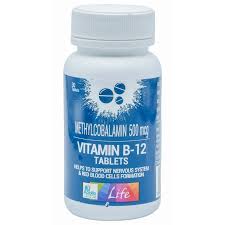
Yes, you can improve how your body absorbs methylated B12 by taking it in the morning on an empty stomach, using sublingual forms, and pairing it with the right nutrients. This article explains the simple steps you can take to get the most out of your B12 supplement and feel more energized.
Getting enough B12 is important for your energy, brain health, and overall wellbeing. But taking a supplement isn’t enough. Your body needs to actually absorb and use it. This guide will show you easy ways to boost your B12 absorption so you feel the difference.
Why B12 Absorption Matters
Your body needs B12 to make red blood cells, keep your nerves healthy, and create DNA. Without proper absorption, you can feel tired, foggy, or weak even if you’re taking supplements.
Many people don’t realize that only 1-4% of B12 gets absorbed through the gut. That’s why how you take it matters just as much as taking it.
The Challenge With Regular B12
Regular B12 (called cyanocobalamin) must go through many steps before your body can use it. It needs to be broken down in your stomach, picked up by special proteins, and converted into active forms.
For people with certain genetic mutations, these conversion processes may not function efficiently. That’s where methylated B12 comes in. It’s already in the active form your body needs.
Choose The Right Form Of B12
Not all B12 supplements work the same way. The form you pick makes a big difference in how much your body absorbs.
Methylcobalamin – The Active Form
Methylcobalamin is the natural, active form of B12. Your body doesn’t have to work as hard to convert it, meaning it’s absorbed more efficiently.
This form is ideal if you:
- Have digestive issues
- Are over 50 years old
- Have MTHFR gene mutations
- Follow a vegan or vegetarian diet
Hydroxocobalamin – Great For Storage
Hydroxocobalamin is another active form that stays in your body longer. It’s more bioavailable than cyanocobalamin and doesn’t require extra conversion steps.
Why Sublingual Works Best
Taking B12 sublingually is the best absorption method, as it allows the vitamin to be absorbed directly into the mucosa of the mouth.
Sublingual tablets or liquid drops go under your tongue and absorb through the thin tissue. This bypasses your stomach and goes straight into your bloodstream.
How to take sublingual B12:
- Place the tablet or drops under your tongue
- Hold it there for at least 90 seconds
- Let it fully dissolve before swallowing
- Don’t eat or drink for 15 minutes after
Take B12 At The Right Time
Timing is everything when it comes to B12 absorption. When you take it affects how much your body can use.
Morning Is Best
B12 is best taken in the morning, ideally on an empty stomach. Here’s why morning works:
- Your stomach acid levels are optimal
- B12 helps produce energy for the day
- It won’t interfere with sleep
Taking B12 late in the evening can make you feel too alert and may disrupt your sleep patterns.
Empty Stomach Vs. With Food
B12 is a water-soluble vitamin, which means it doesn’t require a fat source for absorption. You can take it on an empty stomach 30 minutes before eating or two hours after a meal.
Taking it without food means:
- No other nutrients compete for absorption
- Stomach acid can work properly
- Your body gets the full dose
If you feel nauseous taking supplements on an empty stomach, have it with a light snack instead. A small amount of food won’t significantly reduce absorption.
Avoid These After Taking B12
Wait at least one hour after taking B12 before consuming:
- Coffee or tea
- Alcohol
- Calcium supplements
These can interfere with how your body absorbs and uses B12. Learn more about the best time to take B12.
Support Your Stomach’s Natural Process
Your stomach plays a huge role in B12 absorption. Understanding how it works helps you support the process.
The Role Of Stomach Acid
Stomach acid is needed to liberate vitamin B12 from food. When you eat B12 in food, stomach acid separates it from proteins so it can be absorbed.
If you have low stomach acid from:
- Taking antacids or proton pump inhibitors
- Being over 50 years old
- Having digestive conditions
Your body struggles to absorb B12 from food. That’s why supplements in free form (not bound to protein) work better. They don’t need stomach acid to be released.
Intrinsic Factor – Your Body’s Helper
Intrinsic factor is a protein that helps your intestines absorb vitamin B12. It’s made by special cells in your stomach lining.
After B12 moves through your stomach, intrinsic factor grabs onto it and carries it to your small intestine. There, receptors take in the B12-intrinsic factor combo.
Without enough intrinsic factor, very little B12 gets absorbed. This happens in:
- Pernicious anemia
- After stomach surgery
- With certain autoimmune conditions
- As you age
The good news? Taking B12 sublingually bypasses intestinal absorption issues because it goes directly into your bloodstream through mouth tissue.
Calcium Is Important Too
Receptors on the surface of the terminal ileum take up the intrinsic factor-B12 complex only in the presence of calcium.
Calcium helps the final step of B12 absorption in your intestines. But timing matters. High calcium intake can compete with B12 absorption if taken together.
Best practice:
- Take calcium supplements 2-3 hours apart from B12
- Maintain adequate calcium levels through diet
- Consider calcium citrate over calcium carbonate
If you’re taking metformin for diabetes, studies have shown that simultaneous administration of vitamin B12 and calcium can offset B12 malabsorption.
Pair B12 With Supporting Nutrients
B12 doesn’t work alone. It needs other vitamins and minerals to do its job properly.
Take B12 With Folate
Folate and vitamin B12 work together to pass a methyl group from homocysteine into methionine. This process is key for:
- Clearing homocysteine (high levels are harmful)
- Making SAMe (your body’s main methyl donor)
- Supporting mood and brain health
- Creating new cells
Look for supplements that include methylated B12 and methylfolate together. This combination works better than taking them separately, especially for people with MTHFR mutations.
Other Important Cofactors
Vitamin B2 (Riboflavin): The conversion of vitamin B12 into its bioactive coenzyme form is dependent on vitamins B2 and B3. B2 helps convert other forms of B12 into the active types your body uses.
Vitamin B6: Works with B12 and folate to regulate homocysteine levels and support nerve health.
Magnesium: Magnesium is required in the conversion steps involving methylmalonyl-CoA, which is part of how B12 works in your cells.
Biotin: Supports the reactions that B12 participates in for energy production.
The easiest way to get all these together is a quality B-complex supplement that includes methylated forms.
Fix Common Absorption Problems
Many things can block B12 absorption. Here’s how to work around them.
Medications That Interfere
Several common medications reduce B12 absorption:
Metformin (diabetes medication): Metformin was found to decrease vitamin B12 absorption possibly by tying up free calcium required for absorption. If you take metformin, ask your doctor about B12 testing and supplementation.
Proton pump inhibitors and H2 blockers: These reduce stomach acid, which makes it harder to absorb B12 from food. Supplements in free form work better if you take these medications.
Solution: Use sublingual or high-dose B12 supplements that don’t depend on stomach acid for absorption.
Age-Related Changes
An estimated 10-30% of adults over the age of 50 have difficulty absorbing vitamin B12 from food.
As you age:
- Your stomach makes less acid
- You produce less intrinsic factor
- Your intestines don’t absorb nutrients as well
What helps:
- Switch to methylated B12 supplements
- Use sublingual forms
- Consider higher doses (1000-2000 mcg daily)
- Get regular B12 level testing
Learn more about methylated B12 for seniors.
Digestive Conditions
Conditions like Crohn’s disease, celiac disease, or inflammatory bowel disease damage the intestines where B12 is absorbed.
Gastrointestinal disorders interfere with the absorption of B12. Surgery that removes part of your stomach or intestines also reduces absorption.
Better options:
- Sublingual B12 supplements
- B12 shots from your doctor
- Higher doses to compensate for poor absorption
- Regular monitoring of B12 levels
Genetic Factors – MTHFR Mutations
MTHFR mutation reduces the amount of active folate being produced in the body, and B12 requires the active form of folate in order to be absorbed.
If you have MTHFR gene mutations:
- Your body can’t convert regular folic acid well
- You may have trouble using B12 effectively
- You need methylated forms of both folate and B12
The C677T variant is particularly linked to B12 issues. Abnormal homocysteine metabolism due to the T allele may cause consumption of vitamin B12.
Best approach for MTHFR:
- Use methylcobalamin (methylated B12)
- Take L-methylfolate (not folic acid)
- Consider hydroxocobalamin as well
- Monitor homocysteine levels
Discover why methylated B12 is recommended for MTHFR.
Eat Foods That Support B12 Absorption
While supplements are important, eating the right foods creates a foundation for better absorption.
B12-Rich Foods
Animal products contain the most B12:
- Beef liver (highest source)
- Fish (salmon, trout, tuna)
- Meat (beef, chicken, turkey)
- Eggs
- Dairy products (milk, yogurt, cheese)
- Shellfish (clams, oysters)
For vegetarians and vegans, fortified foods include:
- Plant-based milk
- Breakfast cereals
- Nutritional yeast
- Fortified tofu
Check out foods rich in methylated B12 and natural sources of methylated B12.
Foods That Support Digestion
To help your stomach absorb B12 better, include:
Probiotic-rich foods:
- Yogurt
- Kefir
- Sauerkraut
- Kimchi
Pairing B12 with probiotics can improve gut integrity and absorption.
Digestive enzymes: Found naturally in:
- Pineapple (bromelain)
- Papaya (papain)
- Fermented foods
Keep Your Gut Healthy
A healthy digestive system absorbs nutrients better. Support your gut by:
- Eating plenty of fiber
- Drinking enough water
- Managing stress
- Getting regular exercise
- Avoiding excessive alcohol
Test And Monitor Your B12 Levels
Testing helps you know if your absorption strategies are working.
Types Of B12 Tests
Serum B12 test: The most common test measures B12 in your blood. However, blood serum tests merely indicate how much B12 is swimming around in the bloodstream, not what is actually getting into the cells.
You can have high B12 in your blood but still be deficient at the cellular level.
Better tests to request:
- Methylmalonic acid (MMA) test
- Homocysteine test
- Holotranscobalamin (active B12) test
If both the MMA and homocysteine test results are high, then you may not be getting enough B12 intracellularly.
Optimal B12 Levels
Many labs consider anything above 200 pg/mL “normal,” but functional medicine practitioners recommend:
- Optimal range: 500-800 pg/mL or higher
- Below 500 pg/mL: Consider supplementation
- Below 200 pg/mL: Definite deficiency
Work with your healthcare provider to find your ideal level and correct dosage.
Signs Your Absorption Is Improving
Within days to weeks of better B12 absorption, you may notice:
- More steady energy throughout the day
- Clearer thinking and better focus
- Improved mood
- Less numbness or tingling
- Better sleep quality
- Healthier-looking skin and nails
Long-term benefits include:
How Much B12 Do You Need?
The RDA of vitamin B12 for adults is set at 2.4 μg/day in the United States. However, this assumes perfect absorption.
Recommended Doses For Better Absorption
Because absorption rates can be as low as 1% in people with malabsorption, higher doses are often needed:
For maintenance:
- Healthy adults: 500-1000 mcg daily
- Seniors over 50: 1000-2000 mcg daily
- Vegans/vegetarians: 1000 mcg daily
For deficiency:
- Mild deficiency: 1000-2000 mcg daily
- Severe deficiency: May need injections or 2000+ mcg daily
Special situations:
- Pregnancy: 2.6 mcg minimum (often higher)
- Breastfeeding: 2.8 mcg minimum
Learn about how much methylated B12 is too much and symptoms of B12 overdose.
Why Higher Doses Are Safe
B12 is water-soluble, which means any unused amount will exit the body through urine. Your body takes what it needs and removes the rest.
Even high doses (up to 1000-2000 mcg daily) are considered safe for most people. However, always talk to your healthcare provider about the right dose for you.
Quick Tips To Remember
Here’s a simple checklist to improve your methylated B12 absorption:
Choose the right form:
- ✓ Methylcobalamin or hydroxocobalamin
- ✓ Sublingual tablets or liquid drops
- ✓ Quality brands with third-party testing
Time it right:
- ✓ Take in the morning
- ✓ On an empty stomach (or with light food if sensitive)
- ✓ Wait one hour before coffee
Support absorption:
- ✓ Pair with methylfolate
- ✓ Include B-complex vitamins
- ✓ Maintain adequate calcium (but time it separately)
- ✓ Support gut health with probiotics
Watch for blockers:
- ✓ Space apart from calcium by 2-3 hours
- ✓ Avoid alcohol around supplement time
- ✓ Talk to your doctor about medications
Monitor your progress:
- ✓ Test B12 levels regularly
- ✓ Track your symptoms
- ✓ Adjust dosage as needed
Final Thoughts
Improving methylated B12 absorption doesn’t have to be complicated. The key is using the right form, taking it at the right time, and supporting your body’s natural absorption process.
Start with sublingual methylcobalamin in the morning on an empty stomach. Pair it with methylfolate and other B vitamins for the best results. If you have digestive issues, MTHFR mutations, or are over 50, these strategies become even more important.
Pay attention to medications and nutrients that can interfere with absorption. Give your body time to respond. Most people feel more energy within days, but deeper benefits like improved nerve function and reduced brain fog develop over weeks and months.
Remember to test your levels and work with a healthcare provider, especially if you have symptoms of B12 deficiency. With the right approach, you can maximize your B12 absorption and feel the difference in your energy, mood, and overall health.
Ready to experience the benefits of methylated B12? Start with these simple changes today and give your body the support it needs to absorb this vital nutrient.