Yes, methylated B12 can help improve your mood. This special form of vitamin B12 helps your brain make important chemicals like serotonin and dopamine that control how you feel. When your body has enough methylated B12, it can better manage feelings of sadness, worry, and low energy.
In this article, you’ll learn everything about how methylated B12 works for mood. We’ll talk about the science behind it, who needs it most, how much to take, and real ways it can make you feel better. Whether you’re dealing with the blues or just want to feel your best, this guide will help you understand if methylated B12 is right for you.
What Makes Methylated B12 Different From Regular B12
Not all vitamin B12 is the same. Your body needs B12 in a special active form to use it right away.
The Active Form Your Body Can Use
Methylated B12, also called methylcobalamin, is already in the form your body needs. Think of it like this: regular B12 (cyanocobalamin) is like a locked door. Your body has to find the key and unlock it before it can use it. Methylated B12 is like a door that’s already wide open.
Regular B12 must go through several steps in your body to become active. For some people, this doesn’t work well. They might take B12 pills every day but still feel tired and down.
Why It Crosses Into Your Brain Better
Here’s something really cool: methylated B12 is the only form of B12 that can cross into your brain without changing first. It goes straight through the blood-brain barrier, which is like a protective wall around your brain. This matters a lot for mood because your brain needs B12 to make the chemicals that help you feel good.
Other forms of B12 have to change into methylcobalamin before they can help your brain. If your body struggles to make this change, you might not get the mood benefits even if your blood tests show normal B12 levels.
Who Needs the Methylated Form Most
Some people really need methylated B12 instead of regular B12:
- People with MTHFR gene mutations (about 40% of people have this)
- Older adults whose bodies don’t change B12 as well
- Vegans and vegetarians who get little B12 from food
- Anyone taking medicines that block B12 absorption
- People who feel tired or down even with normal B12 blood tests
If you fall into any of these groups, methylated B12 might work better for you than regular B12 supplements.
How Methylated B12 Affects Your Brain Chemistry
Your brain is like a big chemical factory. It makes special substances called neurotransmitters that control your feelings, thoughts, and energy. Methylated B12 plays a huge role in making these brain chemicals.
Making Serotonin: Your Happy Chemical
Serotonin is often called the “happy chemical” because it helps you feel calm, confident, and content. Methylated B12 helps your brain make more serotonin by supporting a process called methylation.
Without enough methylated B12, your brain can’t make enough serotonin. This can lead to:
- Feeling sad or down for no clear reason
- Trouble sleeping or sleeping too much
- Not enjoying things you used to love
- Feeling irritable or easily upset
When B12 levels are low, serotonin production drops, and people often feel more depressed and anxious. By taking methylated B12, you give your brain what it needs to keep serotonin levels healthy.
Dopamine: Your Motivation and Reward Chemical
Dopamine is another brain chemical that matters for mood. It helps you feel motivated, focused, and rewarded when you do something good. Studies show that methylated B12 helps protect dopamine levels in the brain.
Low dopamine can make you feel:
- No energy or motivation to do things
- Unable to focus or finish tasks
- Like nothing feels rewarding or fun
- Stuck in a fog
Methylated B12 supports dopamine in two ways. First, it helps make dopamine. Second, it protects the brain cells that use dopamine from getting damaged.
The SAMe Connection
Here’s where it gets interesting. Methylated B12 helps your body make something called SAMe (S-adenosylmethionine). SAMe is needed to make and balance mood chemicals like serotonin, dopamine, and norepinephrine.
Some people take SAMe as a separate supplement for depression. But if you don’t have enough methylated B12, your body can’t make SAMe on its own. By taking methylated B12, you help your body make its own mood-supporting SAMe naturally.
Research on Methylated B12 and Mood Disorders
Scientists have studied B12 and mood for many years. The research shows that B12, especially in its methylated form, can really make a difference for people struggling with their mood.
Depression and B12 Deficiency
Low B12 levels are connected to a higher risk of depression. In one study, researchers found that people with depression were much more likely to have low B12.
More interesting is this: In a study of people with depression and low-normal B12, 100% of those who got B12 shots plus antidepressants improved. Only 69% of those who took antidepressants alone got better. This shows that fixing B12 levels can boost how well depression treatment works.
About 22% of depressed people had low B12, and another 36% had low-normal levels. This means more than half of people with depression might benefit from B12 support.
Anxiety and Worry
B12 doesn’t just help with sadness. It also helps with anxiety and excessive worry. In a study testing a B-complex vitamin with methylated B12, people showed improvement in anxiety symptoms over 60 days.
Lower B12 levels were linked to more severe anxiety symptoms in young people. When B12 was low, anxiety was worse. When B12 was normal, anxiety was less severe.
The reason makes sense: B12 helps make serotonin, which controls mood and helps you feel calm instead of anxious. Without enough B12, your worry and stress can feel overwhelming.
How Fast Does It Work
You might wonder how quickly methylated B12 can help your mood. The research shows it varies.
In animal studies, just one dose of methylated B12 improved depression-like behaviors within 24 hours. Of course, people aren’t mice, so it usually takes longer for humans.
Most people notice changes within 2-12 weeks. Some doctors say it might take up to 4 months at the right dose to really feel better. Your body needs time to rebuild its stores and start making more mood chemicals.
The good news? Once you find the right dose, the benefits keep building over time.
Understanding the MTHFR Connection
About 40% of people have something called an MTHFR gene mutation. This might sound scary, but it just means your body works a little differently when processing B vitamins.
What MTHFR Really Means
MTHFR stands for methylenetetrahydrofolate reductase. It’s a big word for an enzyme that your body uses to activate folate (vitamin B9). When you have an MTHFR mutation, your body struggles to turn regular B12 and folate into the active forms you can use.
Think of it like having a weak battery charger. You plug in your phone, but it charges slowly or not at all. That’s what happens with B12 when you have MTHFR.
How It Affects Your Mood
MTHFR mutations can reduce your body’s ability to process B12 by 20% to 70%, depending on which mutation you have. This means even if you eat B12-rich foods or take regular B12 supplements, your body might not be able to use them well.
When your body can’t activate B12 properly, several things happen:
- You can’t make enough serotonin and dopamine
- Homocysteine builds up and can damage brain cells
- Your body can’t detox as well
- Inflammation can increase
All of these problems can lead to depression, anxiety, brain fog, and low energy.
Why Methylated B12 Helps With MTHFR
Here’s the solution: methylated B12 bypasses the problem. If you take methylated B12, your body doesn’t need to convert it. It’s already in the form your cells can use right away.
People with MTHFR mutations often feel dramatically better when they switch from regular B12 to methylated B12. They describe it as “finally getting the benefits” or “like turning on a light switch.”
Testing for MTHFR
You can find out if you have an MTHFR mutation through a simple blood test. The test looks for two main mutations:
- C677T mutation (the most common)
- A1298C mutation
You can be heterozygous (one copy from one parent) or homozygous (two copies, one from each parent). About 10-15% of people are homozygous for C677T, which means they have two copies and the biggest effect on B12 processing.
If you have symptoms of B12 deficiency but normal blood tests, or if depression and anxiety run in your family, MTHFR testing might give you answers.
Signs You Might Need Methylated B12 for Mood
How do you know if low B12 is affecting your mood? Here are the warning signs to watch for.
Mood and Mental Health Symptoms
The emotional signs of B12 deficiency can show up in many ways:
- Feeling sad, hopeless, or down most days
- Anxiety that seems to come out of nowhere
- Mood swings that don’t match the situation
- Irritability and getting upset easily
- Not feeling pleasure from things you used to enjoy
- Feeling emotionally numb or disconnected
B12 deficiency can cause depression, anxiety, and even psychosis in severe cases. Many people get treated for mental health issues without anyone checking their B12 levels.
Brain Fog and Thinking Problems
B12 affects more than just mood. It also impacts how well your brain works:
- Trouble focusing or concentrating
- Brain fog that makes thinking feel slow
- Memory problems or forgetfulness
- Confusion or feeling “out of it”
- Difficulty making decisions
Brain fog is one of the most common complaints from people with low B12, and methylated B12 often helps clear the mental haze.
Physical Signs That Point to B12
Your body gives other clues too:
- Constant fatigue that doesn’t improve with sleep
- Weakness in your arms or legs
- Tingling or numbness in hands and feet
- Balance problems or dizziness
- Pale or yellowish skin
- Fast heartbeat or shortness of breath
If you have several of these symptoms along with mood issues, B12 deficiency might be the hidden cause. Check out our guide on B12 deficiency symptoms for more details.
When Blood Tests Don’t Tell the Whole Story
Here’s something important: you can have normal B12 in your blood but still be deficient in your cells. This happens because the blood test measures B12 in your blood, not inside your cells where it actually works.
Some doctors use additional tests like:
- Methylmalonic acid (MMA) test
- Homocysteine levels
- Active B12 (holotranscobalamin) test
These give a better picture of whether your cells have enough usable B12.
How Much Methylated B12 to Take for Mood
Getting the dose right matters. Too little won’t help, but you also don’t want to overdo it.
Starting Doses for Mood Support
The recommended daily amount of B12 for adults is 2.4 mcg per day for basic health. But for mood improvement, therapeutic doses are usually higher.
Common starting doses for mood issues:
- Mild symptoms: 500-1,000 mcg per day
- Moderate symptoms: 1,000-2,500 mcg per day
- Severe symptoms or MTHFR: 2,500-5,000 mcg per day
For depression and anxiety, some doctors recommend 7.5 to 15 mg (7,500-15,000 mcg) of methylated nutrients including B12.
These doses sound high, but don’t worry. B12 has no upper limit because it’s water-soluble and your body gets rid of extra amounts safely. You can’t really overdose on B12.
Combining With Methylfolate
Methylated B12 works best when paired with methylfolate (active folate). These two nutrients work together in your body’s methylation process. Taking one without the other is like trying to clap with one hand.
A good ratio is:
- 1,000-5,000 mcg methylated B12
- 400-1,000 mcg methylfolate
Some people need higher doses, especially with MTHFR mutations. Our methylated B12 dosage guide can help you find your ideal amount.
Forms That Work Best
Methylated B12 comes in different forms:
- Sublingual tablets or lozenges – These dissolve under your tongue and absorb directly into your bloodstream. This gives you better absorption than swallowing pills.
- Liquid drops – Easy to adjust the dose and absorb well.
- Injections – The most powerful option for severe deficiency. Your doctor gives these as shots.
- Patches – Some people like patches that deliver B12 through the skin.
Research shows sublingual and oral forms work equally well for most people. You don’t need injections unless you have severe absorption problems.
For maximum absorption, learn about how to take methylated B12.
How Long to Take It
B12 isn’t a quick fix. Your body needs time to:
- Rebuild its B12 stores
- Start making more mood chemicals
- Repair any damage from deficiency
Plan to take methylated B12 for at least 2-3 months before deciding if it’s working. Many people need to take it long-term, especially if they have absorption problems or MTHFR mutations.
The good news? Methylated B12 is safe for daily, long-term use.
Foods and Lifestyle That Support B12 and Mood
Taking methylated B12 helps, but you can do more to support your mood through diet and lifestyle choices.
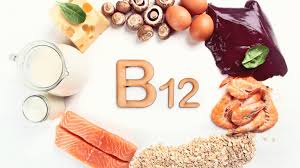
Best Food Sources of B12
B12 is only found naturally in animal foods. The richest sources include:
- Beef liver – One serving has almost 3,000% of your daily B12 needs
- Clams and oysters – Super high in B12
- Salmon and tuna – Great fish sources
- Beef and chicken – Good amounts in most meats
- Eggs and dairy – Milk, yogurt, and cheese have B12
If you’re vegan or vegetarian, you’ll need fortified foods or supplements. Check out foods that contain B12 for more options.
Other Nutrients That Work With B12
B12 doesn’t work alone. It needs helper nutrients:
Folate – Works hand-in-hand with B12 for methylation. Find it in leafy greens, beans, and lentils.
Vitamin B6 – Helps make neurotransmitters. Found in chickpeas, potatoes, and bananas.
Magnesium – Needed for hundreds of chemical reactions including mood. Found in nuts, seeds, and dark chocolate.
Omega-3 fats – Support brain health and mood. Found in fatty fish, walnuts, and flaxseed.
Taking a good B-complex vitamin with methylated forms can give you all the B vitamins working together.
Lifestyle Choices for Better Mood
While methylated B12 helps, these habits boost its benefits:
Get morning sunlight – Light helps regulate mood and your body’s clock.
Move your body – Exercise boosts mood chemicals naturally. Even a 20-minute walk helps.
Sleep well – B12 helps with sleep, and good sleep helps mood. Aim for 7-9 hours.
Manage stress – Chronic stress drains B12 and harms mood. Try deep breathing, meditation, or yoga.
Limit alcohol – Alcohol blocks B12 absorption and worsens mood.
Fix gut health – A healthy gut absorbs B12 better. Eat probiotic foods like yogurt and fermented vegetables.
Safety and Side Effects of Methylated B12
Methylated B12 is very safe, but there are a few things to know.
Is Methylated B12 Safe
The FDA has not set an upper limit for B12 because it’s generally considered safe even at high doses. Your body is smart – it only absorbs what it needs and removes the rest through urine.
This makes methylated B12 one of the safest supplements you can take. Unlike some vitamins that can build up and cause problems, B12 doesn’t.
Possible Side Effects
Most people feel great on methylated B12, but a few might notice:
- Mild headache when first starting (usually goes away)
- Trouble sleeping if taken late in the day (take it in the morning)
- Slight nausea (try taking it with food)
- Skin breakouts in rare cases
- Feeling overstimulated or jittery (usually means the dose is too high)
Serious side effects are very rare and usually mild. If you feel worse after starting methylated B12, it might mean you need to adjust your dose or add other nutrients like folate.
Who Should Be Careful
A few groups should talk to their doctor first:
- People with Leber’s disease (a rare eye condition)
- Anyone with certain types of cancer (discuss with your oncologist)
- People taking certain medications (see below)
- Pregnant or breastfeeding women (usually safe but check with your doctor)
For more details, read about side effects of methylated B12.
Medication Interactions
Some medicines can affect B12 levels or interact with supplements:
Proton pump inhibitors (like Prilosec) and H2 blockers (like Zantac) reduce stomach acid, which makes it harder to absorb B12 from food.
Metformin, a diabetes drug, can lower B12 absorption and reduce blood levels significantly.
If you take these medications, you likely need B12 supplements. The methylated form works well because it doesn’t need stomach acid to absorb.
Working With Your Doctor on B12 and Mood
It’s smart to involve your doctor when addressing mood issues with methylated B12.
Getting Tested First
Before starting supplements, ask your doctor to test:
- Serum B12 – Shows how much B12 is in your blood
- MMA (methylmalonic acid) – More sensitive test for true deficiency
- Homocysteine – Should be between 6-8 for optimal health
- Complete blood count – Checks for anemia from B12 deficiency
These tests show if B12 deficiency is affecting your mood and give you a baseline to measure improvement.
When to See a Healthcare Provider
You should definitely talk to a doctor if:
- You have severe depression or thoughts of self-harm
- Mood problems are interfering with daily life
- You’ve been depressed or anxious for more than two weeks
- Physical symptoms worry you
- Nothing seems to help your mood
Methylated B12 can help, but severe depression often needs professional treatment. B12 works great alongside therapy and medication, not always as a replacement.
Tracking Your Progress
Keep notes on how you feel:
- Rate your mood daily on a scale of 1-10
- Track energy levels
- Note any changes in sleep
- Record brain fog or focus issues
- Watch for physical symptoms improving
After 4-8 weeks on methylated B12, compare your notes. If you’re not seeing improvement, talk to your doctor about adjusting the dose or checking for other issues.
Combining B12 With Other Treatments
Studies show B12 can boost the effectiveness of antidepressants. If you’re taking medication for depression or anxiety, methylated B12 might help it work better.
Don’t stop your prescribed medications to try B12. Instead, add B12 as extra support with your doctor’s knowledge. Many people find this combination works best.
Special Considerations for Different Groups
Different people have different B12 needs.
Older Adults
As we age, our bodies make less stomach acid, which makes it harder to absorb B12 from food. About 10-30% of people over 50 don’t absorb B12 well.
Older adults often benefit from:
- Higher doses of methylated B12 (1,000-2,000 mcg daily)
- Sublingual forms that bypass digestion
- Regular testing to monitor levels
Learn more about methylated B12 for seniors.
Vegetarians and Vegans
Plant foods don’t naturally contain B12. If you don’t eat animal products, you must get B12 from:
- Fortified foods (cereals, plant milks, nutritional yeast)
- Supplements (methylated form works best)
Many vegetarians and vegans feel much better when they start taking methylated B12. The connection between low B12 and mood becomes very clear. Read our guide on methylated B12 for vegans.
Pregnant and Breastfeeding Women
Pregnant women need 2.6 mcg and breastfeeding women need 2.8 mcg of B12 daily. B12 is crucial for baby’s brain development.
Low B12 during pregnancy can cause:
- Neural tube defects in babies
- Developmental delays
- Mood problems in mom
Most prenatal vitamins contain B12, but check if it’s the methylated form for better absorption.
People With Digestive Issues
Conditions like celiac disease, Crohn’s disease, or IBS can block B12 absorption. People with these conditions often need higher doses or sublingual forms.
If you’ve had stomach surgery, especially gastric bypass, you might not absorb B12 well from food. Methylated B12 supplements become essential.
Why Choose Our Methylated B12
Not all B12 supplements are equal. Here’s what makes our methylated B12 different:
Pure methylcobalamin – We use only the active form your body can use immediately. No cheap cyanocobalamin that your body struggles to convert.
Optimal dosing – Our formulas provide therapeutic doses that actually make a difference for mood and energy.
Clean ingredients – No artificial colors, flavors, or unnecessary fillers. Just what your body needs.
Easy absorption – Our sublingual form dissolves under your tongue for maximum absorption.
Quality tested – Every batch is tested for purity and potency so you know exactly what you’re getting.
Made for results – We focus on the doses that research shows work for mood, energy, and overall health.
Whether you choose one bottle, three bottles, or six bottles, you’re getting high-quality methylated B12 that can truly support your mood.
Common Questions About Methylated B12 and Mood
How long before I notice mood improvements?
Most people start feeling better within 2-4 weeks, but it can take up to 12 weeks for full benefits. Your body needs time to rebuild its B12 stores and increase mood chemical production.
Can I take methylated B12 with my antidepressant?
Yes, in most cases. Research shows B12 can enhance the effectiveness of antidepressant medications. Always tell your doctor about all supplements you take.
Will methylated B12 make me too energized or unable to sleep?
B12 does boost energy, so take it in the morning or early afternoon. For most people, it actually improves sleep quality over time because it helps make melatonin.
Is methylated B12 better than cyanocobalamin for mood?
Yes, especially if you have MTHFR mutations or absorption issues. Methylated B12 is already active and crosses into your brain better than cyanocobalamin.
Can children take methylated B12 for mood?
Yes, under a doctor’s guidance. B12 is safe for children and can help with mood, focus, and energy. The dose depends on age and weight.
What if I don’t feel better after taking methylated B12?
If you’ve taken it for 8-12 weeks with no improvement, you might need to adjust your dose, add methylfolate, or explore other causes of your mood issues with your doctor.
Final Thoughts
Methylated B12 offers real hope for people struggling with low mood, anxiety, and mental fog. This active form of vitamin B12 supports your brain’s ability to make the chemicals that control how you feel. Research shows it can help both on its own and as a boost to other mood treatments.
The connection between B12 and mood is clear: when your body has enough usable B12, your brain works better. You make more serotonin and dopamine, feel more energized, think more clearly, and experience better emotional balance.
If you’ve been feeling down, worried, or mentally exhausted, low B12 might be part of the puzzle. Testing your levels and trying methylated B12 could be the missing piece in your journey to feeling better.
Remember, everyone’s different. What works for your friend might not work exactly the same for you. Start with a reasonable dose, give it time, and pay attention to how you feel. Many people describe the change as life-changing once they find the right approach.
Ready to support your mood naturally? Explore our methylated B12 products and take the first step toward feeling better. Your brain deserves the best form of B12 to help you feel your best.
For more information about methylated B12, check out our guides on what is methylated B12, benefits of methylated B12, and why methylated B12 is better than regular B12.