High B12 in blood tests usually means your body has more vitamin B12 than normal. This often happens when you take B12 supplements or eat lots of B12-rich foods. But sometimes, high B12 can point to health problems like liver disease or kidney issues.
In this article, you’ll learn what causes high B12 levels, what symptoms to watch for, and when you should talk to your doctor. We’ll also explain normal B12 ranges and what you can do if your levels are too high.
Understanding Vitamin B12 and Normal Levels
Vitamin B12 is a water-soluble vitamin your body needs to work properly. It helps make red blood cells, keeps your nerves healthy, and creates DNA. Your body can’t make B12 on its own, so you need to get it from food or supplements.
What Are Normal B12 Levels?
Normal B12 levels range from 160 to 950 picograms per milliliter (pg/mL). Some labs use slightly different ranges, but most agree on these numbers.
Here’s what different B12 levels mean:
- Low: Below 200 pg/mL
- Borderline: 200-300 pg/mL
- Normal: 160-950 pg/mL
- High: Above 900 pg/mL
Keep in mind that lab ranges can vary. Always check your lab report to see what range they use.
How Your Body Uses B12
Your body stores B12 in your liver, kidneys, and muscles. When you eat foods with B12, your stomach acid separates it from the food. Then a protein called intrinsic factor helps your body absorb it.
Most extra B12 leaves your body through your pee. That’s why it’s hard to get too much B12 just from eating food. Your body is pretty good at getting rid of what it doesn’t need.
Common Causes of High B12 in Blood Tests
High B12 levels can happen for many reasons. Some are harmless, while others need medical attention.
Taking B12 Supplements
The most common cause of high B12 in blood is recent use of vitamin B12 supplements or injections. If you take B12 pills, get B12 shots, or use nasal sprays, your blood levels will be higher than normal.
This is not dangerous. In fact, it’s expected. Many people take methylated B12 supplements to boost their energy and support their health.
When you take supplements, here’s what happens:
- B12 from supplements absorbs better than B12 from food
- Your blood levels can stay high for days or weeks
- Extra B12 leaves through your urine
If you recently took a B12 supplement or got a B12 shot, wait 7-10 days before getting a blood test. This gives your body time to process the extra B12.
Eating Lots of B12-Rich Foods
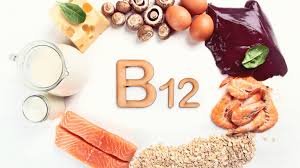
You can also get high B12 from eating lots of animal products. Foods high in B12 include:
- Red meat (beef, lamb)
- Organ meats (liver, kidneys)
- Fish and shellfish
- Eggs
- Milk and cheese
People who eat a lot of red meat tend to have higher-than-normal B12 levels. But it’s rare to get high B12 just from food alone. Your body is good at removing extra B12.
Liver Disease
Your liver stores vitamin B12. When your liver is damaged, it can release stored B12 back into your blood. Liver diseases like hepatitis, cirrhosis, and liver cancer can cause high B12 levels.
This happens because:
- Damaged liver cells break down and release B12
- A sick liver can’t clear B12 from blood as well
- Inflammation changes how your body handles B12
If you have high B12 and no clear reason why, your doctor might check your liver.
Kidney Problems
High B12 levels can occur in kidney disease because your kidneys help filter extra B12 from your blood. When kidneys don’t work well, B12 can build up.
Signs of kidney problems include:
- Swelling in legs or feet
- Feeling tired all the time
- Changes in how often you pee
- Foamy or dark urine
Blood Disorders
Blood disorders like chronic myelogenous leukemia, polycythemia vera, and hypereosinophilic syndrome can result in elevated B12 levels. These conditions cause your body to make more proteins that carry B12 in your blood.
Some types of leukemia can also cause high B12 levels. But the B12 test isn’t usually used to find these diseases.
Diabetes and Obesity
In rare cases, high B12 levels may be found in people with diabetes or who are obese. Doctors aren’t sure exactly why this happens, but it may relate to how the body processes vitamins when blood sugar is high.
Symptoms of High B12 Levels
Most people with high B12 don’t feel any symptoms at all. Symptoms are rare and usually not harmful. When symptoms do happen, they’re often mild and go away when B12 levels drop.
Possible Symptoms
Some people with very high B12 report:
- Headaches
- Anxiety or feeling nervous
- Trouble sleeping
- Skin rashes or itching
- Upset stomach
- Dizziness
These symptoms are rare. They usually only happen when people take extremely high doses of B12 supplements.
When Symptoms Point to Other Problems
Sometimes symptoms aren’t from high B12 itself. They might come from the health problem causing the high B12. For example:
- Liver disease can cause yellow skin, belly pain, or tiredness
- Kidney problems can cause swelling and changes in urination
- Blood disorders can cause easy bruising or frequent infections
If you have symptoms along with high B12, see your doctor. The symptoms might be from an underlying condition that needs treatment.
Is High B12 Dangerous?
High levels of vitamin B12 aren’t dangerous in the short term, but researchers suspect having high levels might be a long-term health issue. The good news is that B12 itself doesn’t cause permanent harm.
Why High B12 Usually Isn’t Harmful
B12 is water-soluble. This means:
- Your body doesn’t store toxic amounts
- Extra B12 leaves through your pee
- You can’t really overdose on B12
B12 doesn’t cause permanent harmful effects if you have too much of it. That’s different from fat-soluble vitamins like A and D, which can build up to dangerous levels.
When High B12 Is a Warning Sign
High B12 isn’t dangerous by itself. But it can be a warning sign of serious health problems. Elevated serum cobalamin may be a sign of a serious, even life-threatening, disease.
That’s why doctors want to find out what’s causing high B12. The cause might need treatment, even if the B12 level itself isn’t harmful.
How Doctors Test for High B12
Blood tests are the main way healthcare providers diagnose high B12 levels. Your doctor will also ask about your diet, symptoms, and health history.
Types of B12 Tests
The most common test is a serum B12 test. This measures total B12 in your blood. But there are other tests too:
Holotranscobalamin Test: This measures active B12 that your cells can actually use. It gives a better picture of your true B12 status.
Methylmalonic Acid (MMA) Test: If MMA is high, it means your body isn’t using B12 properly. This test helps find hidden B12 deficiencies, even when blood B12 looks normal.
Complete Blood Count (CBC): This checks your red and white blood cells. It can show if an underlying problem is causing high B12.
Liver and Kidney Tests: These check how well your liver and kidneys work. They help find out if organ problems are causing high B12.
Preparing for the Test
To get accurate results:
- Don’t eat or drink (except water) for 6-8 hours before the test
- Tell your doctor about all supplements and medicines you take
- Wait 7-10 days after taking B12 supplements or getting B12 shots
- Mention if you’re pregnant or breastfeeding
Some medicines can affect test results. These include antibiotics, heartburn drugs, and diabetes medications.
What to Do If Your B12 Is High
If your blood test shows high B12, don’t panic. Here’s what to do next.
Stop or Reduce Supplements
If your levels are high because of supplements, the only treatment is to stop adding B12 and let your body get rid of the excess. Talk to your doctor before stopping any supplements.
If you’re taking methylated B12 or other B12 products, your doctor might suggest:
- Lowering your dose
- Taking B12 less often
- Switching to a different type of supplement
- Stopping supplements for a while
Your body will naturally clear extra B12 over time.
Get Follow-Up Testing
B12 levels should be monitored every 3 to 6 months until they’re in the normal range. Your doctor might also order tests to check:
- Liver function
- Kidney function
- Complete blood count
- MMA and homocysteine levels
These tests help find any underlying problems causing high B12.
Treat Underlying Conditions
If high B12 is from an underlying medical condition, treatment will mainly depend on that condition. For example:
- Liver disease needs specific treatments to protect the liver
- Kidney problems might need diet changes and medications
- Blood disorders need care from a blood specialist
Treating the underlying problem often brings B12 levels back to normal.
Make Diet Changes
If you eat lots of B12-rich foods, you might need to eat less:
- Choose leaner cuts of meat
- Eat smaller portions of animal products
- Add more plant-based meals
- Drink less fortified milk or drinks
Remember, it’s very rare to get high B12 from food alone. Most people with high B12 are taking supplements or have a health condition.
When to See a Doctor About High B12
You should consult a doctor if your blood tests show elevated B12 levels without a clear cause. Also see a doctor if you have:
- High B12 and you’re not taking supplements
- Symptoms like yellow skin, belly pain, or swelling
- A history of liver, kidney, or blood problems
- High B12 that stays high after stopping supplements
- Unexplained tiredness, weight loss, or easy bruising
Your doctor might send you to a specialist. A person with high B12 levels should consult a doctor as it can indicate a serious underlying condition like liver dysfunction or leukemia.
Questions to Ask Your Doctor
When you see your doctor, ask:
- What could be causing my high B12?
- Do I need more tests?
- Should I stop my supplements?
- How often should I get retested?
- Could this be a sign of something serious?
- What symptoms should I watch for?
Write down your questions before your appointment. Bring a list of all supplements and medicines you take.
Preventing High B12 Levels
You can lower your risk of getting high B12 by following these tips.
Be Smart About Supplements
Talk to your provider about vitamins and supplements before taking them – just because they’re available over the counter doesn’t mean they’re automatically safe.
Here’s how to use B12 supplements safely:
- Only take B12 if you need it
- Use the lowest dose that works
- Get your levels checked regularly
- Tell your doctor about all supplements
- Choose quality products from trusted brands
If you need B12 supplements for energy support or nerve health, work with your doctor to find the right dose.
Eat a Balanced Diet
Eat a variety of nutritious foods to get the vitamins you need without overdoing it. A balanced diet includes:
- Fruits and vegetables
- Whole grains
- Lean proteins
- Healthy fats
- Moderate amounts of dairy
You don’t need huge amounts of B12-rich foods every day. A few servings of animal products per week is usually enough.
Get Regular Checkups
Get an annual checkup – checking your vitamin B12 levels is part of routine bloodwork. Regular testing helps catch problems early.
During your yearly physical, your doctor can:
- Check your B12 levels
- Review your supplements
- Test liver and kidney function
- Catch any issues before they get serious
High B12 and Special Populations
Some groups of people need to pay extra attention to their B12 levels.
Vegans and Vegetarians
Vegans and vegetarians often need B12 supplements because B12 mainly comes from animal foods. If you follow a plant-based diet and take B12, your levels might be high.
This is usually okay. But get your levels checked to make sure you’re not taking too much. Learn more about methylated B12 for vegans.
Older Adults
Older people often have trouble absorbing B12 from food. They might need supplements to keep levels in a healthy range. But too much supplementation can lead to high levels.
If you’re over 65 and taking B12, work with your doctor to find the right dose. Check out information on methylated B12 for seniors.
People with MTHFR Gene Variants
Some people have a gene variant called MTHFR that affects how they process B12 and folate. These people might need special forms of B12, like methylcobalamin.
Methylated B12 is often recommended for people with MTHFR because it’s easier for their bodies to use. But they still need to watch their levels.
Pregnant Women
Pregnant women need more B12 for their growing baby. But extremely high levels during pregnancy need investigation to rule out health problems.
If you’re pregnant and have high B12, talk to your doctor. They can help you find the right balance for you and your baby.
The Difference Between High B12 and B12 Deficiency
It might seem strange, but you can have high B12 in your blood and still have a B12 deficiency in your cells. This happens when:
- Your body can’t use B12 properly
- B12 can’t get into your cells
- You have genetic problems with B12 processing
This is called functional B12 deficiency. Your blood test shows high B12, but your body is actually starving for B12.
Signs you might have functional B12 deficiency include:
If you have these symptoms of B12 deficiency along with high blood B12, ask your doctor about an MMA test or holotranscobalamin test.
Understanding Your Lab Results
When you get your B12 test results, you might see some confusing numbers and terms. Here’s what they mean.
Reading Your Results
Your lab report will show:
- Your B12 level (like 1,200 pg/mL)
- The normal range (like 160-950 pg/mL)
- Whether your result is low, normal, or high
If your number is higher than the range, it will usually be marked as “high” or shown in red.
What Different Levels Mean
Slightly High (900-1,500 pg/mL): Often from supplements or recent B12-rich meals. Usually not concerning if everything else is normal.
Moderately High (1,500-3,000 pg/mL): Might be from regular supplement use or injections. Could also point to liver or kidney issues.
Very High (Over 3,000 pg/mL): Often from B12 injections. Needs investigation if you’re not taking B12 supplements.
Remember, one high reading doesn’t always mean there’s a problem. Your doctor will look at the whole picture, including your symptoms, diet, and other test results.
Follow-Up Tests
If your B12 is high, your doctor might order:
- Repeat B12 Test: To see if levels stay high or come down
- Liver Panel: To check liver health
- Kidney Function Test: To see how well kidneys are working
- CBC: To check blood cell counts
- MMA and Homocysteine: To see if you have true B12 deficiency
These tests help find the real cause of high B12.
Final Thoughts
High B12 in blood tests is usually not dangerous by itself. Most of the time, it comes from taking supplements or eating lots of B12-rich foods. Your body is good at getting rid of extra B12 through your urine.
But sometimes high B12 can point to health problems like liver disease, kidney issues, or blood disorders. That’s why it’s important to find out what’s causing high levels, especially if you’re not taking supplements.
If your B12 test comes back high:
- Don’t panic – high B12 rarely causes harm
- Talk to your doctor about possible causes
- Get follow-up tests if needed
- Consider reducing or stopping B12 supplements
- Watch for symptoms of underlying health problems
Regular checkups and honest talks with your doctor help keep your B12 levels in a healthy range. Whether you need to adjust your supplements, change your diet, or treat an underlying condition, your doctor can guide you to the right solution.
Remember, the goal isn’t just to lower high B12 numbers. The goal is to make sure you’re healthy overall. By understanding what high B12 means and taking action when needed, you can protect your health for years to come.
Ready to support your B12 levels naturally? Check out our methylated B12 supplements designed for better absorption and energy support. Have questions? Contact us or visit our FAQ page for more information.