Methylated folate and methylated B12 are both important vitamins. But they are not the same thing. These two nutrients work as a team in your body. They help with energy, brain health, and heart function. Many people get confused about which one they need. This guide will help you understand both.
Think of methylated folate and methylated B12 like dance partners. They each have their own job. But they work best when they move together. One cannot do its job well without the other.
In this article, you will learn what makes these vitamins different. You will also discover how they help your body. We will talk about who needs them most. Plus, you will find out if you should take both or just one.
What Is Methylated Folate?
Methylated folate is the active form of vitamin B9. Your body can use it right away. It does not need to be changed first.
Scientists call it 5-MTHF or L-methylfolate. These names sound fancy. But they all mean the same thing. This is folate that is ready to work in your cells.
Why Methylated Folate Matters
Your body needs folate to make DNA. This is the instruction book inside every cell. Folate also helps make red blood cells. These cells carry oxygen through your blood.
But here is the key point. Not everyone can turn regular folic acid into methylated folate. About 40% of people have a gene change called MTHFR. This makes it hard for their bodies to use regular folic acid.
Methylated folate skips this problem. It is already in the form your body needs. No conversion required.
Where Methylated Folate Comes From
You can find folate in foods like:
- Dark leafy greens
- Beans and lentils
- Asparagus
- Broccoli
- Citrus fruits
But the folate in food is not always easy to absorb. Many foods are fortified with folic acid instead. Folic acid is synthetic. Your body must change it to use it.
Methylated folate supplements give you the active form. This makes absorption easier for everyone.
What Is Methylated B12?
Methylated B12 is the active form of vitamin B12. Doctors call it methylcobalamin. Like methylated folate, your body can use it right away.
Regular B12 supplements often contain cyanocobalamin. This is a synthetic form. Your body must convert it first. The process uses up energy and other nutrients.
Why Methylated B12 Matters
B12 does many important jobs. It helps make red blood cells. It protects your nerves. It helps your brain work well.
B12 also teams up with methylated folate. Together, they handle a process called methylation. This happens billions of times per second in your body.
Methylation affects:
- Energy production
- Detoxification
- Mood regulation
- DNA repair
- Hormone balance
Without enough B12, this process slows down. You might feel tired. Your thinking might get fuzzy. You could have nerve problems.
Who Needs More B12
Some people struggle to get enough B12:
- Vegans and vegetarians
- Older adults
- People with digestive issues
- Those taking certain medications
- People with MTHFR gene changes
These groups often benefit from methylated B12 supplements.
The Main Differences Between Methylated Folate and Methylated B12
Chemical Structure
Methylated folate and methylated B12 have completely different structures. Folate is vitamin B9. B12 is vitamin B12. They are separate vitamins.
B12 contains cobalt. This is a mineral. Folate does not have cobalt. This difference changes how they work in your body.
Where They Come From
Methylated folate comes from plant foods. You can get it from vegetables and fruits.
Methylated B12 comes only from animal products. Think meat, fish, eggs, and dairy. Plants do not make B12. This is why vegans often need supplements.
What They Do
Both vitamins help make DNA. Both support red blood cell formation. But they have unique jobs too.
Methylated folate focuses on:
- Cell division and growth
- Fetal development during pregnancy
- Preventing neural tube defects
- Supporting mental health
Methylated B12 focuses on:
- Nerve protection
- Energy metabolism
- Brain function
- Preventing pernicious anemia
The Methylation Cycle Connection
Here is where things get interesting. Both vitamins work in the methylation cycle. But they have different roles.
Methylated folate donates methyl groups. These are tiny chemical packages. Your body attaches them to other molecules.
Methylated B12 helps move these methyl groups around. It acts like a shuttle. Without B12, folate gets stuck. Without folate, B12 cannot do its job.
This is called the “folate trap.” When B12 is low, folate gets trapped in one form. It cannot be used. This causes problems even when folate levels look normal.
How Methylated Folate and Methylated B12 Work Together
Think of your body as a factory. Methylated folate and methylated B12 work on the same assembly line. They pass materials back and forth.
The Methionine Cycle
Both vitamins help turn homocysteine into methionine. Homocysteine is an amino acid. Too much of it is bad. High levels damage your blood vessels. This increases heart disease risk.
Methylated folate gives homocysteine a methyl group. Then methylated B12 helps complete the change. Homocysteine becomes methionine. Methionine becomes SAM-e.
SAM-e is super important. It is the master methyl donor in your body. It helps with mood, liver health, and joint comfort.
Energy Production
Both vitamins help make energy. But they work at different steps.
B12 helps your mitochondria work better. These are the power plants in your cells. Without enough B12, you feel tired all the time.
Folate helps make new cells. When cells divide, they need lots of energy. Folate makes sure this process runs smoothly.
Brain Health and Mood
Your brain needs both vitamins. They help make neurotransmitters. These are chemical messengers in your brain.
Methylated folate crosses the blood-brain barrier. It helps make serotonin, dopamine, and norepinephrine. These chemicals affect your mood.
B12 protects the myelin sheath. This is insulation around your nerves. Without it, nerve signals slow down. You might feel brain fog or have memory problems.
Studies show that both vitamins together work better than either alone. They improve cognitive function and support mental clarity.
Who Needs Methylated Folate?
People with MTHFR Gene Changes
About 30-40% of people have changes in their MTHFR gene. This makes it hard to convert folic acid to methylated folate.
People with MTHFR changes may have:
- Higher homocysteine levels
- Lower folate levels
- Increased health risks
Methylated folate is better for people with MTHFR. It bypasses the problem. Your body can use it right away.
Pregnant Women
Pregnancy increases folate needs. Growing babies need lots of folate for cell division.
Low folate during pregnancy can cause neural tube defects. These are serious birth defects affecting the brain and spine.
Methylated folate may work better than folic acid. It provides active folate that both mom and baby can use.
People with Depression
Research shows methylated folate helps with depression. It works especially well with antidepressants.
One study found 67.9% of people improved with methylated folate. About 45.7% reached full remission after 12 weeks.
Folate helps make mood-regulating chemicals. More active folate means better mood support.
Those with Digestive Issues
If you have trouble absorbing nutrients, you may need methylated folate. Conditions like celiac disease, Crohn’s disease, or IBS affect absorption.
Methylated folate is easier to absorb. It does not need as many steps to become active.
Who Needs Methylated B12?
Vegans and Vegetarians
B12 only comes from animal products. Vegans need B12 supplements. Most plant-based eaters do not get enough.
Symptoms of B12 deficiency include:
- Extreme tiredness
- Weakness
- Pale skin
- Tingling in hands and feet
- Memory problems
- Mood changes
Methylated B12 works better for many vegans. It is already active and ready to use.
Older Adults
As you age, your stomach makes less acid. Stomach acid helps you absorb B12 from food.
People over 50 often have low B12 levels. Seniors may need methylated B12 supplements to maintain healthy levels.
People with Pernicious Anemia
This condition prevents B12 absorption. The body cannot make intrinsic factor. This protein is needed to absorb B12.
People with pernicious anemia need B12 shots or high-dose supplements. Methylated B12 may help them absorb more.
Those Taking Certain Medications
Some drugs interfere with B12 absorption:
- Metformin for diabetes
- Proton pump inhibitors for acid reflux
- H2 blockers for heartburn
If you take these drugs long-term, check your B12 levels. You might need supplements.
Can You Take Both Methylated Folate and Methylated B12?
Yes. In fact, taking both is often the best choice. They work better together than alone.
The Science Behind Taking Both
Research shows combining methylated folate and methylated B12 provides stronger benefits. One study found this combination improved nerve health in diabetic patients.
Another study showed both vitamins together reduced homocysteine more effectively. This supports heart health better than either vitamin alone.
Who Benefits Most from Both
You should consider taking both if you:
- Have MTHFR gene changes
- Feel tired all the time
- Have mood issues
- Want to support heart health
- Are pregnant or trying to conceive
- Are vegan or vegetarian
- Are over 50 years old
How to Take Them Together
Many supplements combine both nutrients. Look for products that contain:
- Methylated B12 (methylcobalamin)
- Methylated folate (5-MTHF or L-methylfolate)
The typical doses are:
- 400-1000 mcg of methylated folate
- 1000-5000 mcg of methylated B12
Start with lower doses. Increase slowly if needed. This helps avoid side effects.
For maximum absorption, take sublingual forms. These dissolve under your tongue. This allows nutrients to enter your bloodstream directly.
Learn more about how to take methylated B12 for maximum absorption.
Comparing Methylated vs Non-Methylated Forms
Methylated Folate vs Folic Acid
Folic acid is synthetic. It must be converted to work. This takes several steps. Your body needs the MTHFR enzyme to make this change.
If you have MTHFR gene changes, this process does not work well. Folic acid can build up in your blood. This is called unmetabolized folic acid (UMFA). Too much UMFA may cause problems.
Methylated folate skips all these steps. It is already active. Your body uses it right away. This makes it safer and more effective for most people.
Methylated B12 vs Cyanocobalamin
Cyanocobalamin is cheap. It is stable. This is why many supplements use it.
But your body must convert cyanocobalamin. It must remove the cyanide molecule. Then it adds a methyl group. This process uses up other nutrients.
Methylcobalamin is different from cyanocobalamin. It already has the methyl group attached. Your body can use it immediately.
Studies show methylcobalamin works better for:
- Nerve health
- Brain function
- Energy production
What Foods Contain These Nutrients?
Folate-Rich Foods
Natural folate is found in:
- Spinach and kale
- Romaine lettuce
- Brussels sprouts
- Asparagus
- Avocados
- Lentils and beans
- Oranges and grapefruits
- Sunflower seeds
These foods rich in methylated B12 and folate should be part of your diet. But remember, cooking can destroy folate. Eat some vegetables raw when possible.
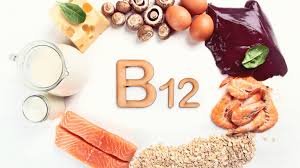
B12-Rich Foods
Foods that contain methylated B12 include:
- Beef liver
- Clams and oysters
- Fish like salmon and tuna
- Beef and lamb
- Eggs
- Dairy products
- Fortified nutritional yeast
If you do not eat animal products, you will need supplements. Plant foods do not naturally contain B12.
Potential Side Effects and Safety
Side Effects of Methylated Folate
Most people tolerate methylated folate well. But some may experience:
- Nausea
- Gas or bloating
- Sleep problems
- Irritability
- Vivid dreams
These effects are usually mild. They often go away as your body adjusts.
Start with a low dose. Increase slowly. This reduces the chance of side effects.
Side Effects of Methylated B12
Methylated B12 is very safe. Side effects are rare. Some people report:
- Mild diarrhea
- Itching or rash
- Headache
- Anxiety or restlessness
High doses do not cause problems for most people. B12 is water-soluble. Your body gets rid of extra amounts in urine.
How Much Is Too Much?
For folate, the upper limit is 1000 mcg per day from supplements. Higher amounts are usually safe. But very high doses may mask B12 deficiency.
For B12, there is no upper limit. Even doses of 5000 mcg are considered safe. Learn more about how much methylated B12 is too much.
Who Should Be Careful?
Talk to your doctor before taking these supplements if you:
- Take epilepsy medications
- Have bipolar disorder
- Are getting cancer treatment
- Take blood thinners
- Have kidney problems
These conditions may affect how you should use these supplements.
Testing Your Levels
Folate Testing
A blood test can check your folate levels. Normal levels are:
- Serum folate: 3-20 ng/mL
- Red blood cell folate: 140-960 ng/mL
Red blood cell folate is more accurate. It shows long-term folate status.
B12 Testing
Standard B12 blood tests measure total B12. Normal levels are:
- 200-900 pg/mL
But these tests can be misleading. You might have normal B12 levels but still have symptoms.
Better tests include:
- Methylmalonic acid (MMA)
- Homocysteine
- Holotranscobalamin (active B12)
These show if your body is actually using B12 properly.
Homocysteine Testing
Homocysteine levels show if methylation is working well. Ideal levels are:
- 5-8 µmol/L
Higher levels suggest you need more folate, B12, or both. This test is very useful for checking methylation status.
Choosing the Right Supplement
What to Look For
When shopping for supplements, choose products with:
- Methylated forms (not folic acid or cyanocobalamin)
- Third-party testing for purity
- No unnecessary fillers
- Good manufacturing practices (GMP certified)
Look for terms like:
- 5-MTHF or L-methylfolate
- Methylcobalamin
- Quatrefolic (a stable form of methylated folate)
Forms and Delivery Methods
Supplements come in different forms:
Tablets and capsules: Easy to take. Absorbed through digestion.
Sublingual: Dissolves under your tongue. Faster absorption. Better for people with digestive issues.
Liquids: Easy to adjust dose. Good for kids or people who cannot swallow pills.
Injections: Prescribed by doctors. Used for severe deficiencies.
Recommended Brands
Quality matters with supplements. Look for brands that:
- Test for purity and potency
- Use bioavailable forms
- Have good customer reviews
- Provide certificates of analysis
Consider products specifically designed with methylated forms. Check out methylated B12 products that combine both nutrients.
Special Considerations for Different Groups
Pregnancy and Breastfeeding
Both folate and B12 are crucial during pregnancy. The baby needs these for healthy growth and brain development.
Pregnant women need:
- 600-800 mcg of folate daily
- 2.6 mcg of B12 daily
Methylated forms may work better. They provide active nutrients that mom and baby can use right away.
Always talk to your doctor about supplement doses during pregnancy.
Children
Kids need both vitamins for growth and development. But doses are lower than adults.
For children:
- Folate: 150-400 mcg daily
- B12: 0.9-2.4 mcg daily
Use products designed for children. Adult doses may be too high.
Athletes
Athletes have higher nutrient needs. Exercise increases demand for B vitamins.
Methylated folate and B12 support:
- Energy production
- Muscle recovery
- Red blood cell formation
- Nerve function
Many athletes benefit from higher doses. This helps improve energy levels.
Myths and Misconceptions
Myth 1: Folate and B12 Are the Same
No. They are different vitamins. Folate is B9. B12 is B12. They work together but have unique roles.
Myth 2: Everyone Needs Methylated Forms
Not necessarily. People without absorption issues may do fine with regular forms. But methylated versions work for everyone. They are a safer choice if you are unsure.
Myth 3: You Can Get Enough from Food Alone
Maybe. If you eat a perfect diet with lots of variety, you might get enough. But many people fall short. Soil depletion and food processing reduce nutrient content.
Supplements can fill gaps. They provide insurance against deficiency.
Myth 4: More Is Always Better
Not true. You need enough, but mega-doses do not help more. Your body can only use so much at once.
Stick to recommended doses unless your doctor advises otherwise.
Myth 5: Synthetic Is Just as Good
For most nutrients, maybe. But not for folate. Folic acid and methylated folate work differently. Many people cannot convert folic acid well.
For B12, methylcobalamin is also better than cyanocobalamin for most people.
When to See a Doctor
See your doctor if you have:
- Persistent fatigue that does not improve
- Numbness or tingling in hands and feet
- Memory problems or confusion
- Depression that does not respond to treatment
- Tongue soreness or mouth ulcers
- Pale or yellowish skin
These could be signs of vitamin deficiency. Blood tests can check your levels. Your doctor can recommend the right treatment.
Do not self-diagnose serious symptoms. Get proper medical evaluation.
Making the Right Choice for You
Choosing between methylated folate and methylated B12 is not an either-or decision. Most people benefit from both.
Consider your situation:
If you have MTHFR gene changes: Take both methylated forms. This ensures your body can use these vitamins.
If you are vegan: Focus on methylated B12. Add methylated folate for complete support.
If you are pregnant: Take both. Your baby needs them for healthy development.
If you have fatigue or mood issues: Try both together. They work as a team to support energy and mental health.
If you are over 50: Both become more important. Your body absorbs nutrients less efficiently with age.
Final Thoughts
Methylated folate and methylated B12 are powerful nutrients. They are not the same vitamin. But they work together like partners in a dance.
Methylated folate is active vitamin B9. It helps with cell division, DNA repair, and mood support.
Methylated B12 is active vitamin B12. It protects nerves, supports energy, and helps with brain function.
Together, they keep methylation working smoothly. This affects energy, mood, heart health, and more.
Many people benefit from taking both. This is especially true if you have MTHFR gene changes, eat a vegan diet, or are pregnant.
Choose high-quality supplements with methylated forms. Start with lower doses and increase as needed. Check with your doctor about your specific needs.
Understanding these vitamins helps you make better health choices. Whether you need one or both, you now know the difference. You can choose what is right for your body.
Ready to support your health with methylated B12? Explore our dosage guide or learn about the best time to take it. Your journey to better health starts with informed choices.