Methylated B12 improves red blood cells by helping your body make them the right way. When you have enough methylated B12, your red blood cells grow to the right size and shape. They can carry oxygen to all parts of your body properly. Without it, your cells become too big and don’t work well.
This article will explain how methylated B12 makes red blood cells healthier, what happens when you don’t have enough, and how to keep your blood cells working their best.
What Are Red Blood Cells and Why Do They Matter?
The Job of Red Blood Cells
Red blood cells are tiny workers in your blood. Their main job is to carry oxygen from your lungs to every part of your body. Think of them like tiny delivery trucks moving oxygen to your organs, muscles, and brain.
Your body makes about 200 billion new red blood cells every single day. Each red blood cell lives for about 120 days before your body replaces it with a new one.
What Makes Red Blood Cells Healthy
Healthy red blood cells have three key features:
- Right size – Not too big, not too small
- Round shape – Disc-shaped with a dent in the middle
- Full of hemoglobin – The protein that holds onto oxygen
When red blood cells are the right size and shape, they move easily through tiny blood vessels. They deliver oxygen quickly and work well for their full 120-day lifespan.
Signs Your Red Blood Cells Need Help
When your red blood cells aren’t healthy, you might feel:
- Very tired all the time
- Weak and low on energy
- Out of breath easily
- Dizzy or lightheaded
- Cold hands and feet
These symptoms happen because your body isn’t getting enough oxygen. This condition is called anemia.
How Methylated B12 Creates Healthy Red Blood Cells
The DNA Connection
Your body needs to copy DNA to make new red blood cells. According to the methylatedb12.com – methylated B12 acts as a helper for enzymes that work on DNA. Without enough B12, DNA synthesis slows down, which can cause megaloblastic anemia.
Think of DNA as the instruction manual for building red blood cells. Methylated B12 makes sure those instructions get copied correctly every time.
Supporting Cell Division
Red blood cells start as baby cells in your bone marrow. These baby cells need to divide many times to create mature red blood cells. Research shows that B12 deficiency causes erythroblast apoptosis, which results in anemia from ineffective red blood cell production.
Methylated B12 keeps this process running smoothly. It helps cells divide at the right time and in the right way.
Working With Folate
Methylated B12 doesn’t work alone. It partners with folate (vitamin B9) to build red blood cells. Together, they:
- Help cells copy their DNA
- Support cell growth and division
- Keep cells healthy as they mature
Without both vitamins working together, your body makes red blood cells that are too big and oddly shaped. Learn more about how methylated B12 and folate work together.
What Happens Without Enough Methylated B12
Megaloblastic Anemia Explained
When you don’t have enough B12, your body develops a specific type of anemia called megaloblastic anemia. The word “megaloblastic” means “big cells.”
According to medical research, megaloblastic anemia happens due to impaired DNA synthesis, which stops nuclear division while cytoplasmic maturation continues, creating unusually large cells.
Here’s what goes wrong:
- Cells grow bigger than normal
- They become oval instead of round
- Their centers don’t develop properly
- Many die before leaving the bone marrow
- Those that escape die early
Why Big Cells Are a Problem
Big red blood cells cause several issues:
They get stuck – Large cells have trouble squeezing through tiny blood vessels. They often can’t leave the bone marrow to enter the bloodstream.
They die young – Even cells that make it into your blood don’t live as long as healthy cells. Abnormal cells die earlier than normal red blood cells.
They don’t work well – Oversized cells can’t carry oxygen as efficiently as normal cells.
Common Symptoms of B12 Deficiency Anemia
When you have B12 deficiency anemia, you might notice:
Physical symptoms:
- Extreme tiredness that rest doesn’t fix
- Pale or yellowish skin
- Shortness of breath
- Fast heartbeat
- Dizziness
Nerve symptoms:
- Tingling in hands and feet
- Numbness
- Balance problems
- Memory issues
Other signs:
- Sore, smooth tongue
- Mouth sores
- Loss of appetite
These symptoms develop slowly over months or years. If you notice several of these signs, ask your doctor to check your B12 levels.
The Science Behind Methylated B12 and Red Blood Cells
DNA Building Blocks
Your body needs four building blocks to make DNA. These are called nucleotides. Methylated B12 helps create these building blocks properly.
When B12 levels drop, the nucleus becomes highly sensitive to folate imbalance, leading to impaired DNA production for cell division.
Without enough nucleotides, cells can’t divide normally. This creates the oversized, immature red blood cells seen in B12 deficiency.
The Methyl Trap Problem
Something called the “methyl trap” happens when you’re low on B12. Here’s how it works:
- Folate gets stuck in one form
- It can’t change to help make DNA
- DNA production slows down
- Red blood cell creation suffers
Methylated B12 releases folate from this trap. Research confirms that B12 helps convert folate back to forms needed for DNA building.
This is why both B12 and folate are so important for healthy red blood cells.
Homocysteine Control
Methylated B12 helps turn an amino acid called homocysteine into something useful called methionine. This process is crucial for red blood cell health.
High homocysteine levels can:
- Damage cell DNA
- Interfere with cell division
- Reduce red blood cell production
- Harm blood vessel walls
By keeping homocysteine in check, methylated B12 protects both your red blood cells and your heart. You can read more about why methylated B12 is important for overall health.
Who Needs Extra Methylated B12 for Red Blood Cells
People With MTHFR Gene Changes
About 30% to 40% of people have a gene change called MTHFR. This makes it hard for their bodies to use regular B12.
If you have MTHFR changes, you might need methylated B12 because:
- Your body can’t convert regular B12 well
- You may have chronically low B12 levels
- Your red blood cells don’t form properly
- You’re at higher risk for anemia
Methylated B12 is recommended for MTHFR because it’s already in the active form your body needs.
Vegetarians and Vegans
B12 is found mainly in animal foods like meat, fish, eggs, and dairy. Plant foods don’t have B12 naturally. The NIH reports that vegetarians have much higher rates of B12 deficiency, anemia, and low red blood cell counts compared to people who eat animal products.
If you follow a plant-based diet, taking methylated B12 helps:
- Prevent anemia
- Keep red blood cell production strong
- Maintain healthy oxygen delivery
- Support overall energy levels
Check out methylated B12 for vegans for more specific guidance.
Older Adults
As you age, your stomach makes less acid. You need stomach acid to absorb B12 from food. Studies show that 10% to 30% of people over 50 have trouble absorbing natural B12 from foods.
Older adults often develop anemia because:
- Stomach acid decreases naturally
- Medications block B12 absorption
- The intrinsic factor (needed for B12 absorption) drops
- Diet may become limited
Taking methylated B12 supplements helps older people maintain healthy red blood cells without relying on stomach acid.
People With Digestive Problems
Certain digestive conditions make it very hard to absorb B12:
Celiac disease – Damages the small intestine where B12 gets absorbed
Crohn’s disease – Causes inflammation that blocks nutrient absorption
Pernicious anemia – An immune problem that stops intrinsic factor production
After stomach surgery – Removes the part that makes intrinsic factor
If you have any digestive issue, sublingual (under the tongue) methylated B12 works well because it goes straight into your bloodstream.
People Taking Certain Medications
Some common medicines lower B12 levels and affect red blood cell production:
Metformin (for diabetes) – According to the NIH, metformin might significantly reduce B12 absorption and serum B12 levels.
Proton pump inhibitors (acid blockers like omeprazole) – Block stomach acid needed for B12 absorption
H2 blockers (like ranitidine) – Also reduce stomach acid
If you take these medicines long-term, ask your doctor about B12 testing and supplements.
How to Tell If Your Red Blood Cells Need Help
Blood Tests Your Doctor Can Order
Several tests check your red blood cell health:
Complete Blood Count (CBC) – Measures:
- Number of red blood cells
- Hemoglobin levels
- Red blood cell size (MCV)
- Overall blood health
Vitamin B12 Level Test – Shows how much B12 is in your blood. Normal levels are above 300 pg/mL.
Methylmalonic Acid (MMA) Test – A more accurate test. Medical experts note that MMA levels increase when B12 is low, making it the most sensitive marker of B12 status.
Peripheral Blood Smear – Lets doctors look at your red blood cells under a microscope to check their size and shape.
Understanding Your Test Results
| Test Result | What It Means |
| Normal B12 (>300 pg/mL) | Healthy levels |
| Borderline (200-300 pg/mL) | May need more testing |
| Low (<200 pg/mL) | B12 deficiency |
| High MCV (>100 fL) | Red blood cells too large |
| Low hemoglobin | Anemia present |
If your B12 is borderline, your doctor should also check MMA levels to see if you really need supplements.
Signs to Watch For at Home
Pay attention to these warning signs:
Energy changes:
- Constant tiredness
- Weakness doing normal tasks
- Need for frequent rest
Physical changes:
- Pale skin or lips
- Fast heartbeat
- Shortness of breath with light activity
- Feeling dizzy
Other symptoms:
- Smooth, red tongue
- Numbness or tingling
- Balance problems
- Brain fog
If you notice several of these symptoms, it’s time to talk with your doctor about testing your B12 and red blood cell health.
Getting Methylated B12 to Support Red Blood Cells
Food Sources
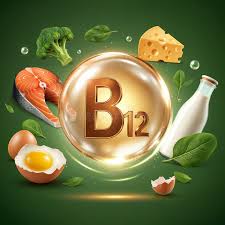
While food contains B12, most dietary B12 is not methylated. Your body must convert it. However, eating B12-rich foods still supports red blood cell production:
Top animal sources:
- Beef liver: 70.7 mcg per 3 ounces
- Clams: 17 mcg per 3 ounces
- Salmon: 2.6 mcg per 3 ounces
- Beef: 2.4 mcg per 3 ounces
- Eggs: 0.5 mcg per large egg
- Milk: 1.3 mcg per cup
For vegetarians:
- Fortified cereals
- Nutritional yeast (with added B12)
- Plant-based milk with B12 added
- B12-fortified meat alternatives
Supplement Options
Methylated B12 supplements come in several forms:
Sublingual tablets – Dissolve under your tongue. This method allows B12 to go directly into your blood without passing through your stomach.
Lozenges – Chewable tablets that taste good and absorb under the tongue.
Capsules – Swallow these like regular pills. They work well if you don’t have digestive problems.
Liquid drops – Can be placed under the tongue or added to drinks.
For best absorption, especially for red blood cell support, choose sublingual forms. Our methylated B12 supplements combine methylcobalamin with folate for complete support.
How Much to Take
The recommended daily amount for adults is 2.4 mcg. However, supplement doses are much higher because your body only absorbs a small amount.
Common supplement doses:
- 500 mcg – Good starting dose for most people
- 1,000 mcg – For people with absorption issues
- 2,000-5,000 mcg – For those with severe deficiency
B12 is very safe. Your body removes extra amounts through urine, and toxicity is extremely rare.
For detailed guidance, check our methylated B12 dosage guide.
Best Time to Take It
Take methylated B12 in the morning for best results. It can boost energy, so taking it late might affect sleep.
Tips for best absorption:
- Take on an empty stomach if possible
- Let sublingual forms dissolve completely
- Don’t eat or drink for 30 minutes after
- Take daily for consistent results
Learn more about how to take methylated B12 for maximum absorption.
Methylated B12 vs Regular B12 for Red Blood Cells
Why the Form Matters
Not all B12 supplements work the same way. The form you take affects how well your body can use it for making red blood cells.
Cyanocobalamin (regular B12):
- Man-made form
- Must be converted by your body
- Takes extra steps to become active
- Works fine if you convert well
Methylcobalamin (methylated B12):
- Natural form
- Already active and ready to use
- No conversion needed
- Better for people with gene changes or absorption issues
Studies show that naturally occurring B12 forms like methylcobalamin are preferred over synthetic cyanocobalamin, with better bioavailability and safety.
Better Retention in Tissues
Methylated B12 stays in your body longer. Research indicates that methylcobalamin is retained better in tissues compared to cyanocobalamin, which is excreted more quickly.
This means:
- Your cells have more B12 available
- Red blood cell production stays steady
- You need less frequent dosing
- Benefits last longer
Impact on Red Blood Cell Production
For red blood cell health specifically, methylated B12 offers advantages:
Faster results – Because it’s already active, your body can use it immediately for DNA synthesis.
Better for absorption issues – People with digestive problems or gene mutations absorb methylated B12 more easily.
Complete support – When combined with methylfolate, it provides everything your body needs for healthy red blood cell production.
Compare different forms by reading methylcobalamin vs cyanocobalamin.
Other Benefits of Healthy Red Blood Cells
More Energy Throughout the Day
When your red blood cells work properly, they deliver oxygen efficiently to every cell. This gives you:
- Steady energy from morning to night
- Better endurance for activities
- Less afternoon crashes
- Improved exercise performance
Many people notice a big energy boost within days of taking methylated B12. This happens because oxygen delivery improves. Learn more about how methylated B12 helps with fatigue.
Better Brain Function
Your brain uses about 20% of your body’s oxygen. Healthy red blood cells keep your brain working well by:
- Delivering steady oxygen flow
- Supporting mental clarity
- Improving focus and concentration
- Protecting memory
Poor red blood cell function leads to brain fog and confusion. Fixing B12 deficiency often improves cognitive function significantly. Discover more about B12 and cognitive function.
Stronger Heart Health
Your heart works hard to pump blood throughout your body. Healthy red blood cells make this job easier by:
- Carrying more oxygen per heartbeat
- Reducing how hard your heart must work
- Supporting steady blood pressure
- Protecting blood vessels
When red blood cells are big and oddly shaped, your heart must pump harder to deliver enough oxygen. This can lead to a fast heartbeat and chest pain.
Better Exercise Performance
Athletes and active people need excellent red blood cell function. Healthy cells help you:
- Build endurance
- Recover faster after workouts
- Maintain strength during training
- Avoid exercise fatigue
If you feel unusually tired during exercise, B12 deficiency might be affecting your red blood cells and oxygen delivery.
Potential Side Effects and Safety
Is Methylated B12 Safe?
Yes, methylated B12 is very safe for most people. Even high doses rarely cause problems. Water-soluble vitamins like B12 don’t build up in your body the way fat-soluble vitamins can.
Mild Side Effects
Most people have no side effects. When they do happen, they’re usually minor:
- Mild headache (often goes away after a few days)
- Feeling energized or jittery at first
- Trouble sleeping if taken too late in the day
- Upset stomach (rare)
- Skin reactions with very high doses (uncommon)
These effects typically improve as your body adjusts.
When to Be Careful
Talk to your doctor before taking methylated B12 if you:
- Are allergic to cobalt or B12
- Have kidney problems
- Take blood thinners
- Have certain medical conditions
- Are pregnant or nursing (though B12 is usually safe during these times)
For complete safety information, read about side effects of methylated B12.
Drug Interactions
Some medicines can affect how B12 works:
- Metformin – May reduce B12 absorption
- Acid blockers – Decrease B12 from food
- Some antibiotics – Can interfere with B12
- Chemotherapy drugs – May affect B12 use
Always tell your doctor about supplements you’re taking, especially if you take prescription medicines.
Lifestyle Tips for Healthy Red Blood Cells
Eat a Balanced Diet
Support your red blood cells with good nutrition:
Iron-rich foods – Red blood cells need iron for hemoglobin:
- Red meat
- Dark leafy greens
- Beans and lentils
- Fortified cereals
B12-rich foods – As mentioned earlier:
- Fish and seafood
- Meat and poultry
- Eggs and dairy
- Fortified plant foods
Folate-rich foods – Works with B12:
- Leafy green vegetables
- Citrus fruits
- Beans
- Fortified grains
Stay Hydrated
Water helps your body make red blood cells and keeps blood flowing smoothly. Drink at least 8 glasses of water daily.
Limit Alcohol
Too much alcohol can:
- Damage your stomach lining
- Reduce B12 absorption
- Interfere with red blood cell production
- Cause anemia
If you drink, do so in moderation.
Manage Stress
Chronic stress drains your B vitamin stores and can affect red blood cell production. Try:
- Getting 7-9 hours of sleep nightly
- Practicing relaxation techniques
- Exercising regularly (but not too much)
- Taking breaks during busy days
Avoid Smoking
Smoking reduces B12 absorption and damages blood cells. If you smoke, talk to your doctor about quitting programs.
Get Regular Checkups
Have your doctor check your B12 levels and blood counts regularly, especially if you:
- Are over 50
- Follow a vegetarian or vegan diet
- Take medications that affect B12
- Have digestive problems
- Have symptoms of deficiency
Early detection prevents anemia and protects your red blood cells.
Common Questions About Methylated B12 and Red Blood Cells
How Long Before I Notice a Difference?
Many people feel more energized within a few days as red blood cell function improves. Full improvement of anemia takes longer:
- Energy boost: 3-7 days
- Rising red blood cell counts: 1-2 weeks
- Normalized blood tests: 1-2 months
- Complete recovery: 2-3 months
Nerve symptoms from B12 deficiency take even longer to improve, sometimes 6-12 months.
Can I Take Too Much Methylated B12?
No, B12 toxicity is extremely rare. Your body gets rid of extra amounts through urine. Even doses of 5,000 mcg daily are considered safe.
Will Methylated B12 Fix All Types of Anemia?
No. Methylated B12 specifically helps with anemia caused by B12 deficiency (megaloblastic anemia). Other types of anemia have different causes:
- Iron deficiency anemia – Needs iron
- Anemia from blood loss – May need medical treatment
- Hemolytic anemia – Requires specific therapies
Always work with your doctor to find the cause of your anemia.
Should I Take B12 With Folate?
Yes, they work together. Many high-quality supplements include both methylated B12 and methylfolate. This combination:
- Supports DNA synthesis better
- Prevents the methyl trap
- Provides complete red blood cell support
Our methylated B12 products include both for this reason.
Can Children Take Methylated B12?
Yes, with proper dosing. Children need B12 for growth and red blood cell production. The recommended amounts are:
- Babies 0-6 months: 0.4 mcg
- Babies 7-12 months: 0.5 mcg
- Children 1-3 years: 0.9 mcg
- Children 4-8 years: 1.2 mcg
- Children 9-13 years: 1.8 mcg
Talk to your child’s doctor before giving supplements.
Final Thoughts
Methylated B12 plays a vital role in creating healthy red blood cells. It helps your body build DNA correctly, supports normal cell division, and works with folate to keep red blood cells the right size and shape.
Without enough methylated B12, your red blood cells become too large and don’t work properly. This leads to anemia, fatigue, and poor oxygen delivery throughout your body.
The good news is that taking methylated B12 supplements can fix this problem. Most people notice better energy and improved symptoms within days to weeks. Blood tests show full recovery in 1-2 months with proper supplementation.
If you think you might have B12 deficiency affecting your red blood cells, talk to your doctor about testing. Once diagnosed, methylated B12 provides an easy, safe, and effective solution.
Ready to support your red blood cell health? Explore our doctor-approved methylated B12 supplements that combine methylcobalamin with methylfolate for complete support. Choose from single bottles, three-bottle packs, or six-bottle options with better savings.
For more information, visit our FAQ page or check out our article on symptoms of B12 deficiency. Your red blood cells—and your whole body—will thank you for giving them the support they need.